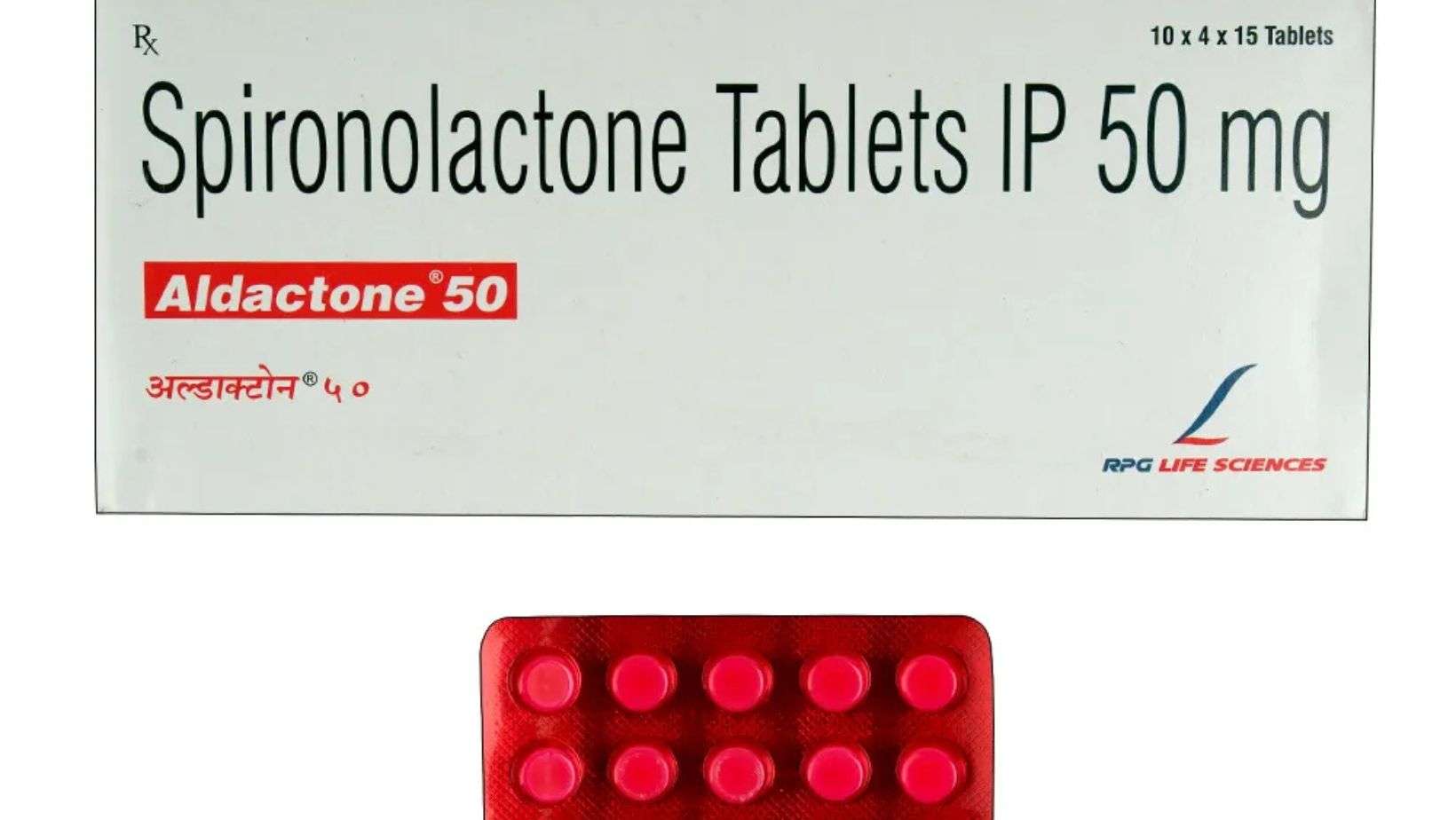
What is Aldactone (Spironolactone)? Uses, Benefits, and Heart-Kidney Support
Learn about Aldactone (Spironolactone), a potassium-sparing diuretic that reduces fluid retention, controls blood pressure, and supports heart and kidney health
Introduction
Aldactone is a potassium-sparing diuretic that is administered to reduce the accumulation of fluid in the body and the control high blood pressure, which maintains the health of the heart and kidneys with minimal loss of potassium.
Spironolactone is the active ingredient that functions by inhibiting aldosterone, a hormone that leads to retention of sodium. In such a way, it assists in getting rid of the surplus fluid without impairing the normal level of potassium, which minimizes the exposure to electrolyte imbalances.
What is Aldactone (Spironolactone)?
Aldactone is a potassium-sparing diuretic. Aldactone helps in keeping the level of potassium normal, unlike thiazide or loop diuretics that can cause considerable loss of potassium, resulting in hypokalemia, which is vital in the body, including the heart, muscle, and nerve functioning. It acts mainly by inhibiting the hormone aldosterone, which is secreted by the adrenal glands and controls the retention of sodium and water by the body.
Blockage of aldosterone triggers the kidneys to secrete extra sodium and water and retain potassium, which leads to:
- Lessening of the overload of fluid (edema)
- Lowering blood pressure
- Promoting cardiovascular activity.
Due to such a specific effect, Aldactone is often used by patients with heart failure, kidney disease, or liver cirrhosis to correct the accumulation of fluid without any serious complications.
Medical Uses of Aldactone
Aldactone is widely applicable. Some of its main applications are:
1 Fluid Retention (Edema)
The edema is the swelling that occurs as a result of the accumulation of extra fluid in the legs, ankles, or abdomen. Aldactone has a stimulative effect on sodium and water secretion, decreases swelling, and benefits kidney and cardiovascular functions.
2 High Blood Pressure (Hypertension)
Aldactone is used in the treatment of high blood pressure by eliminating surplus fluid, and the heart works less, and the blood vessels work well. It works especially with hypertension, which is resistant to other drugs.
3 Heart Failure
Aldactone decreases the fluid retention in heart failure, alleviating swelling and shortness of breath. It enhances the work of the heart and can increase the long-term results by providing the heart with a better way of pumping.
4 Hormonal and Dermatological Uses
Anti-androgenic action of spironolactone can treat hormonal acne, hirsutism, and even with feminizing hormone therapy. It prevents the effects of hormones of male hormones in women under medical guidance, blocking the receptors.
5 Kidney and Liver Conditions
Aldactone works by maintaining a balanced fluid and electrolyte level, preserving the work of organs, and preventing the development of complications due to kidney and liver disease.
Benefits of Aldactone
- Lessens edema and retention of fluid.
- Reduces blood pressure successfully.
- Maintains the balance of potassium.
- Stimulates heart, kidney, and liver activity.
- Anti-androgenic, useful in hormone-related conditions.
Patient‑Centric Benefits
- Enhances the comfort of patients with fluid build-up.
- May minimise the heart failure complications and visits to hospitals.
- Accepts a chance of hormone-related skin and hair disorders.
How Aldactone Works: Mechanism of Action
The main mechanism of action of Aldactone is the inhibition of the activity of a hormone known as aldosterone. The adrenal glands make aldosterone, which directs the kidneys to retain sodium and water and excrete potassium. By inhibiting aldosterone:
- The urine eliminates sodium and water.
- Potassium is held in the bloodstream.
- The volume and pressure of blood are lower.
- Fluid retention (edema) is diminished.
This process renders Aldactone a good diuretic and a blood pressure-reducing (antihypertensive) medication.
Moreover, spironolactone is anti-androgenic (it can block androgen receptors), and that can be useful in some hormonal conditions.
Dosage and Administration
- Take care of the prescription of doctor.
- Typically administered on a daily or twice-daily basis.
- May be administered with or without food.
- Do not crush or chew tablets.
- Frequent blood tests can be required in order to check the levels of potassium and kidney function.
Side Effects
Common Side Effects
- Dizziness or lightheadedness
- Nausea, vomiting, or diarrhea
- Headache or fatigue
- Breast tenderness or enlargement
- Irregular menstrual cycles
Potential Serious Side Effects
Hyperkalemia (High Potassium Levels)
Aldactone may raise the level of potassium in the blood, which may lead to irregular heartbeat, weak muscles, or paralysis. Constant observation is a necessity, especially for kidney disease or those with pre-existing electrolyte issues.
Kidney & Electrolyte Imbalance
Sodium, magnesium, or blood sugar levels may be affected by Aldactone, causing severe complications in case of kidney dysfunction. Periodic laboratory testing is useful in avoiding life-threatening electrolyte imbalances.
Allergic Reactions
Aldactone is suspected of causing allergic reactions, which include rashes, itching, swelling, or dyspnea, although this is rare. In case of any signs of hypersensitivity in case of treatment, it requires immediate medical attention.
FAQs
Can Aldactone be used long-term?
Yes, Aldactone may be used in long-term treatment as long as medical care is strictly followed, and blood potassium and kidney function should be periodically monitored to guarantee safety and effectiveness.
Can I stop Aldactone suddenly?
Stop Aldactone not at once. Never take the risk of going straight to the doctor, particularly with heart failure or hypertension, or you may rebound or aggravate your situation.
Does Aldactone increase potassium?
Aldactone has the potential to increase potassium in the blood, leading to hyperkalemia. Blood tests are necessary to check the level of potassium regularly to avoid severe complications in the course of treatment.
Conclusion
Aldactone (spironolactone) is a potent anti-retention, anti-high blood pressure, and anti-heart, anti-kidney, and liver, without disturbing potassium balance. Its individual mechanism and anti-androgen effects render it suitable for use in hormonal disorders, edema, and chronic heart and kidney disorders under medical guidance.