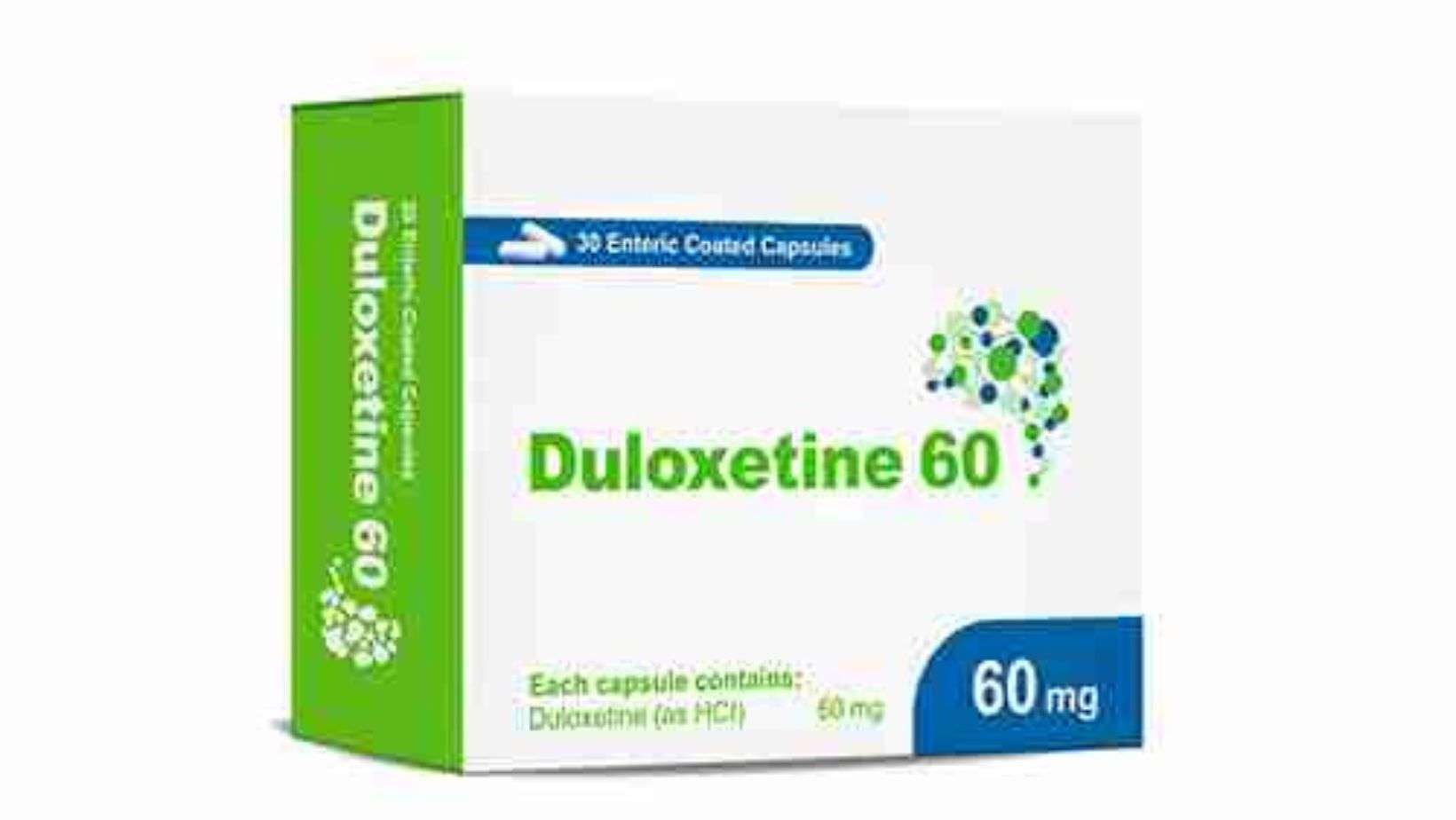
Medical Uses of Duloxetine 60 mg Capsule
What is Duloxetine 60 mg Capsule used for? How does it treat depression, anxiety, nerve, and musculoskeletal pain safely and effectively?
Duloxetine 60 mg Capsule is a prescription drug that is popular in the treatment of mental health disorders and chronic pain. It belongs to the group of serotonin-norepinephrine reuptake inhibitors (SNRI) and functions by replenishing the brain with its chemical balance. Adults take it as a delayed-release capsule to manage depression, anxiety, nerve pain, and musculoskeletal disorders.
Overview of Duloxetine 60 mg Capsule
Duloxetine 60mg Capsule is a delayed-release sprinkle capsule that is used in the treatment of diverse diseases. It acts by elevating the amounts of serotonin and norepinephrine, which are neurotransmitters that are important in regulating mood and sensing pain. This is a two-pronged strategy that is effective in:
- Major depressive disorder (MDD).
- Generalized anxiety disorder (GAD)
- This is neuropathic pain in diabetics.
- Fibromyalgia and other persistent musculoskeletal disorders.
The preferred dose is 60 mg, often used as a maintenance dosage to balance efficacy and tolerability
How Duloxetine Works
Duloxetine inhibits the reabsorption of serotonin and norepinephrine in the brain, which increases their levels of these substances. This dual action:
- Enhances mood and emotion.
- Lessens anxiety and overworrying.
- Alleviates nerve pain and chronic pain.
Duloxetine is a unique and effective drug because it modulates both emotional and physical symptoms, treating conditions that involve mood and pain.
Medical Uses of Duloxetine 60 mg Capsule
Major Depressive Disorder (MDD)
Duloxetine assists in the treatment of unremitting sadness, lack of interest, and energy. It enhances emotional well-being by refining mood, sleep, appetite, and general functioning daily in depressed patients.
Generalized Anxiety Disorder (GAD)
Duloxetine decreases excessive worrying, irritability, and tension. It improves the day-to-day functioning, is effective in the management of symptoms of anxiety, and facilitates the clarity of the mind and emotional stability of people who have GAD.
Diabetic Peripheral Neuropathy
Duloxetine relieves nerve pain caused by diabetes, including burning, tingling, or sharp sensations in the legs and feet. It enhances comfort and promotes mobility and life quality.
Chronic Musculoskeletal Pain
Duloxetine helps relieve chronic back pain and osteoarthritis, reduces discomfort, improves mobility, and enables patients to perform daily activities with better physical function.
Fibromyalgia
Duloxetine treats musculoskeletal pains that are prevalent in fibromyalgia. It lowers chronic pain, leads to an increase in quality of life, increases the ability to engage in everyday activities, and contributes to overall physical and emotional well-being.

How to Use Duloxetine 60 mg Capsule
Dosage
- Usual dose 60mg/1 day, or as prescribed.
- The dose can be adjusted according to age, health, and medical condition.
Administration Methods
- Take the capsule as a whole with water.
- The capsule may be opened and sprinkled on applesauce and consumed immediately.
- Do not mix and chew, do not mix and crush with food.
- It may be administered with or without food, but food could decrease nausea.
Missed Dose
- Take as soon as remembered.
- Do not take close to the next dose; do not take twice.
Storage Instructions
- Store at room temperature.
- Avoid moisture, heat, and sunlight.
- Do not leave it out of reach of children and pets.
Who Should Avoid Duloxetine?
- Patients who have high blood pressure that is not controlled.
- Patients who have severe dysfunction of the liver.
- People who are on interacting drugs.
- History of mania, seizures, or some psychiatric disorder.
Side Effects
1 Common Side Effects
- Constipation, nausea, or dry mouth.
- Dizziness, fatigue, or sweats.
- Appetite loss or sleeping alterations.
2 Serious Side Effects
- Liver problems
- Abnormal bleeding or bruising.
- The deterioration of depression or even suicidal thinking.
Observe severe symptoms and contact the emergency healthcare. Side effects can be minimized by a gradual increase in dose.
Precautions Before Taking Duloxetine
Complete medical history (particularly the following) should be taken before commencing duloxetine:
1. Liver or Kidney Diseases
Hepatic impaired people could have an altered metabolism of drugs, and this elevates the risk of developing side effects.
2. Other Medications
Duloxetine may interact with a lot of drugs, such as other antidepressants, migraine medication, triptans, opioids, and some antibiotics. The interaction may develop the risk of serotonin syndrome or other side effects.
3. Alcohol Use
It is possible that alcohol can increase side effects such as liver stress and drowsiness. Patients undergoing treatment with duloxetine should minimize or avoid alcohol intake.
4. Pregnancy and Breastfeeding
Duloxetine can pass into breast milk and may affect breastfeeding babies; patients who are breastfeeding should discuss this with their physician. The safety during pregnancy presents an issue that needs a subtle risk-benefit analysis by a physician.
FAQs
Can Duloxetine cause side effects?
Yes. The typical side effects are nausea, dry mouth, dizziness, constipation, fatigue, and androgen. Side effects (rare, severe) may cause liver issues, bleeding, or worsen depression. You should never fail to report severe symptoms to your doctor.
Can I take Duloxetine with other medications?
Duloxetine can interact with some drugs, and these include other antidepressants, some painkillers, and drugs that affect liver enzymes. Always tell your doctor about all the medicines or supplements, and herbal products that you use.
Can Duloxetine cause withdrawal symptoms?
Yes. Sudden discontinuation can result in dizziness, nausea, irritability, headaches, or so-called brain zaps. Physicians normally prescribe slow tapering.
Conclusion
Duloxetine 60 mg Capsule is a multifunctional SNRI drug used as a treatment for depression, anxiety, neuropathic pain, and chronic musculoskeletal disorders. It helps in improving mood, pain, and everyday functioning by reestablishing the normal level of neurotransmitters. When it is used properly and supervised by a doctor, it is safe and can bring the best therapeutic results.