Airway Clearance Devices: How Airway Clearance Devices Work
Airway Clearance Devices: How Airway Clearance Devices Work
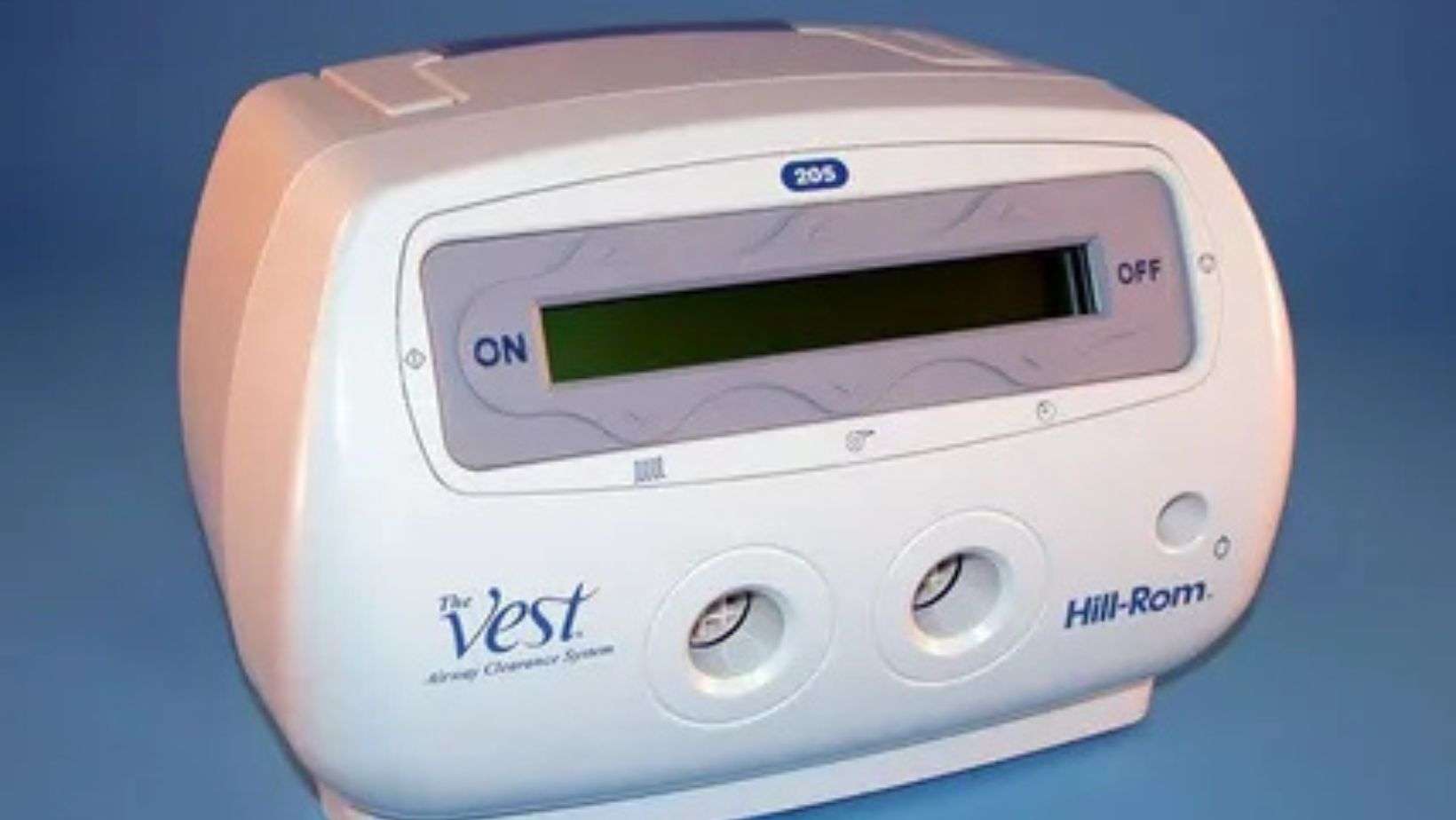
Discover how Airway clearance devices, Medical New Hill-Rom The Vest2, help clear mucus, improve lung function, and enhance life for chronic respiratory patients.
Introduction
In patients with chronic respiratory diseases like cystic fibrosis, bronchiectasis, or chronic obstructive pulmonary disease (COPD), healthy lungs are a daily challenge. The accumulation of mucus and secretions in the airways is one of the most significant problems of such conditions. It can be used to block the airways, induce infections, and impair the overall lung performance.
Airway clearance devices are medical-specific devices that are used to assist patients in clearing their secretions efficiently and safely. The Airway clearance devices Medical new Hill-Rom The Vest2 is one of the most popular devices of high frequency chest wall oscillation (HFCWO) system provided by Acute Pharmacy as the present-day clinically approved therapy of patients in need of airway clearance.
Understanding Airway Clearance Devices
Airway clearance devices are therapeutic medical machines that help in the mobilization and removal of mucus in the lungs. They are also useful, especially to those people whose normal capability of clearing the mucus is hampered by chronic lung diseases or frail respiratory muscles.
The best and foremost role of these devices is to:
- Dilute the mucus of the bronchi.
- Move secretions in smaller to larger airways.
- Synergize coughing or mucus suction.
- Minimize the chances of respiratory illnesses and hospitalization.
These devices enable patients to breathe more easily, preserve lung function, and minimize the complications related to the retention of mucus by enhancing airway clearance.
The Importance of Airway Clearance
Obstruction of mucus within the lungs may result in:
- Hypersensitivity to infection.
- Poor oxygenation and pulmonary activity.
- Frequent hospitalizations
- Development of respiratory failure.
Airway clearance therapy helps:
- Loosen and transport mucus from the smaller to the larger airways.
- Encourage appropriate coughing and sputum.
- Lessen respiratory diseases and hospitalization.
- Enhance the quality of life and everyday operations.
Key advantages of HFCWO technology
- Safe and non-invasive
- Regular and computerized therapy.
- Home-based on its own.
- Minimizes the use of caregiver-assisted chest physiotherapy.
Why Airway Clearance is Essential
Normal airflow and cilia are essential to healthy lungs because they help to clear mucus. In some diseases, however, such as cystic fibrosis, cilia are not able to work correctly, resulting in:
- Thickened or sticky mucus
- Blocked airways
- Greater exposure to the risk of bacterial infections.
- Progressive lung damage
Routine airway clearance helps to avoid the accumulation of mucus, preserve the activity of the lungs, and improve the efficacy of other interventions, including inhaled medications and antibiotics.
How Airway Clearance Devices Work
Airway clearance devices are technologies that are used to aid the mobilization of secretions. The most common include:
A. High-Frequency Chest Wall Oscillation (HFCWO)
This method uses a wearable vest connected to a pulse generator. The vest delivers rapid, gentle compressions to the chest, creating oscillations that loosen mucus inside the lungs. The secretions are then moved to larger airways where they can be coughed out or suctioned.
B. Positive Expiratory Pressure (PEP) Devices
PEP devices are hand-held devices that provide resistance during the breathing out process of a patient. This resistance assists in the opening of the airways and vibrating of mucus, which helps in the process of clearance.
C. Mechanical Percussion and Vibration Devices
These devices provide direct pulse vibrations to the chest wall to dislodge mucus, either by hand or by electric shock.

Who Can Benefit from Airway Clearance Devices?
- Individuals with chronic lung diseases are likely to acquire mucus.
- Those who cannot empty the airways independently.
- Patients who have to undergo regular airway clearance to sustain lung performance.
- Young and adult patients with chronic diseases such as cystic fibrosis.
Safety and Comfort Considerations
Vest2 is mostly safe and tolerated. Patients should:
- Make sure it fits well so that it does not hurt.
- Check mucus secretion and respiration.
- Reported new or exacerbating symptoms to medical professionals.
- Keep vest garments and hoses hygienic.
Healthcare information is essential in order to maximize therapy as well as avoid complications.
Who Administers or Uses These Devices?
- Home-based patients (trained ones).
- Respiratory therapists
- Pulmonologists
- Patient’s physically disabled caregivers.
- Sophomore respiratory care teams.
Practical Tips for Patients and Caregivers
The Medical New Hill -Rom The Vest2 has the following best practices when using Airway clearance devices:
• Establish a Routine
Aids in maintaining mucus clearance, lung functioning, and the overall respiratory state using Airway clearance devices, Medical New Hill-Rom The Vest2 daily at regular intervals.
• Use with Other Therapies
To achieve maximum results, the Vest2 therapy should be used together with prescribed breathing exercises, inhaled medications, or other methods of clearing the airways to remove as much mucus and get the lungs working as effectively as possible.
• Monitor Response
Monitor the symptoms, ease in breathing, coughing, and energy levels during treatment to evaluate the benefits and to change the use in consultation with a health professional.
• Engage the Healthcare Team
Frequent visits to doctors, respiratory therapists, or caregivers help to optimize therapy, guarantee safety, use the equipment correctly, and discuss alterations in lung dynamics or symptoms.
Future of Airway Clearance Therapy
The development of airway clearance devices is turning the therapy into patient-centric. Such characteristics as smart tracking, wireless monitoring, and individualized programs can soon make compliance, comfort, and clinical outcomes better. Medical new Hill-Rom The Vest2 is one example of the potential integration of technology in chronic care to deliver quality home-based respiratory treatment.
Conclusion
The Airway clearance devices, especially devices such as Medical New Hill-Rom The Vest2, are an effective therapy, safe and home-friendly to patients dealing with chronic lung disease. They help improve pulmonary function, decrease infections, and greatly increase the quality of life of users by increasing mucus clearance.