

PV-8 Overview & Research Applications
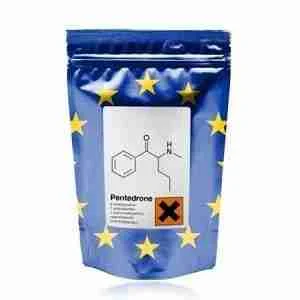
PV-8 is a synthetic research compound referenced in analytical chemistry, forensic toxicology, and substance classification literature. It belongs to the broader phenethylamine and amphetamine-related chemical classes and is examined primarily for its structural characteristics and analytical detectability. The compound has the molecular formula C17H25NO • HCl with a molecular weight of approximately 295.9 g/mol. Its relevance is confined to laboratory analysis and forensic reference work rather than clinical or consumer applications.
Active Ingredients
PV-8 consists of a single defined chemical entity:
1-phenyl-2-(1-pyrrolidinyl)-1-heptanone, monohydrochloride.
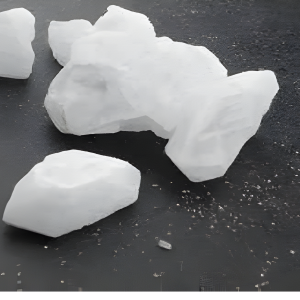
No additional active ingredients are present. In research environments, it is supplied as a characterized crystalline material for analytical identification and comparative studies.
Research Use & Intended Applications
This is intended exclusively for non-clinical, non-human research purposes. Typical applications include analytical method development (GC-MS, LC-MS), forensic toxicology identification and confirmation, comparative profiling among related synthetic compounds, and chemical classification studies. The toxicological and physiological properties of PV-8 are not fully characterized, reinforcing its restriction to controlled laboratory environments.
Safety & Handling Considerations
Due to limited toxicological data and its classification as a designer research compound, It must be handled only by trained professionals in licensed laboratory settings. Appropriate personal protective equipment should be used at all times, handling should occur in controlled or ventilated environments, and direct contact or exposure should be avoided. All institutional safety protocols and applicable legal requirements must be followed.
Who Should Avoid
PV-8 should not be handled by individuals without formal laboratory training, by unlicensed facilities, or by anyone seeking human, veterinary, or recreational applications. It is not approved for medical use and is unsuitable for consumer handling under any circumstances.
Dosage Guidelines
It is not intended for human or animal consumption, and no dosage guidelines exist. Any reference to dosage outside analytical measurement parameters is inappropriate.
Storage & Handling
Store PV-8 in sealed, clearly labeled containers under cool, dry conditions. When stored correctly, the compound may remain chemically stable for up to two years. Access should be limited to authorized personnel, and storage must comply with institutional chemical control and documentation policies.
Quality Assurance & Authenticity
In research contexts, quality assurance refers to analytical purity, proper characterization, and documentation accuracy. It’s used for study should be verified using validated laboratory techniques to ensure consistency, traceability, and reproducible analytical results.
Frequently Asked Questions
What is PV-8 used for in research?
It is referenced in forensic and analytical chemistry for compound identification, method development, and comparative profiling among related synthetic substances.
Are the toxicological properties of PV-8 known?
They are not fully established; available literature discusses PV-8 primarily in analytical and public-health surveillance contexts.
How is PV-8 detected in laboratories?
Detection typically involves advanced analytical techniques such as GC-MS or LC-MS within accredited forensic or toxicology laboratories.
Is PV-8 approved for medical use?
No. it has no approved medical or therapeutic applications.
Order with Confidence from Acute Pharmacy ® ™
Acute Pharmacy ® ™ provides research-focused informational content intended for laboratory, analytical, and forensic awareness. All materials emphasize regulatory awareness, ethical research standards, and responsible scientific communication.