








Klonopin 1mg Blue (Clonazepam) Tablets
Brand: Klonopin
Generic name: Clonazepam
Strength: 1 mg per tablet
Dosage form: Oral tablet
Color: Blue
Drug class: Benzodiazepine
Prescription status: Prescription only
DEA classification: Schedule IV controlled substance
Quantity: Verify from actual stock before publishing
Manufacturer/Distributor: Verify from the packaging supplied to Acute Pharmacy
- Estimated Delivery : Up to 4 business days
- Free Shipping & Returns : On all orders over $200
Klonopin 1mg Blue
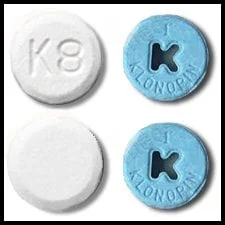
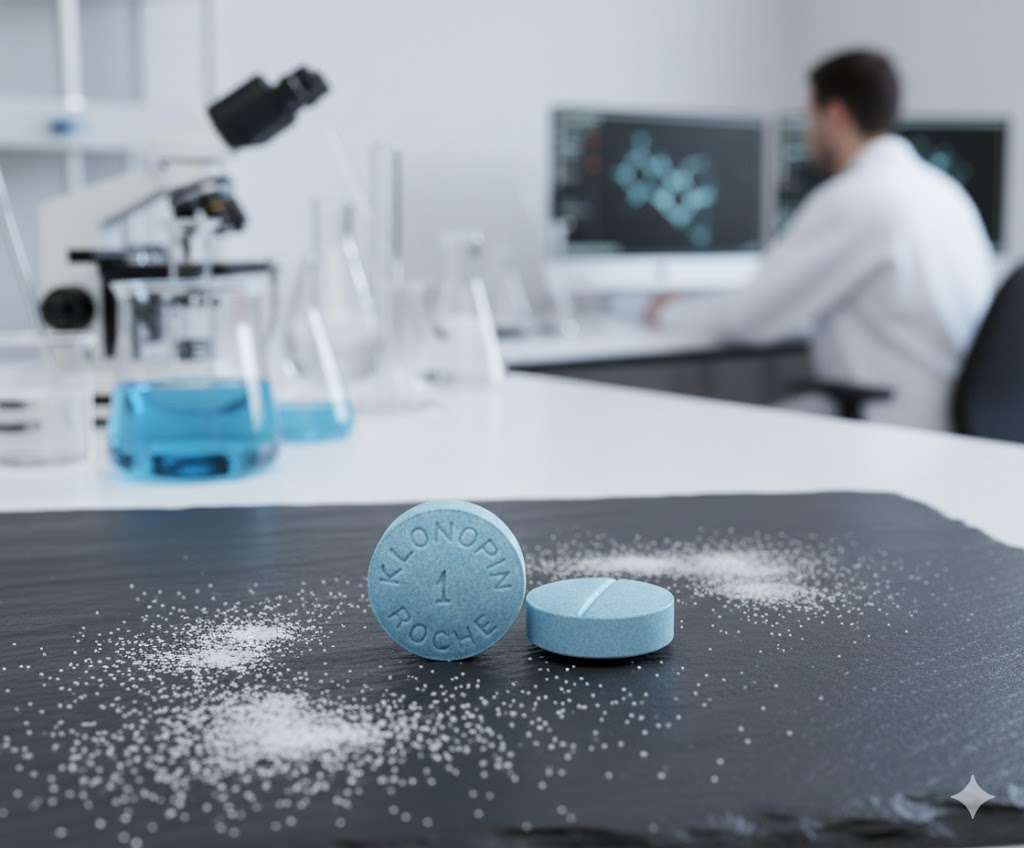
Klonopin 1mg blue is a prescription tablet containing 1 mg of clonazepam, a benzodiazepine medicine that acts on the central nervous system. Current U.S. product labeling identifies Klonopin as a prescription medicine used for certain seizure disorders and for panic disorder with or without agoraphobia in adults. The branded 1 mg Klonopin tablet is blue, while the 2 mg tablet is white.
Because clonazepam is a controlled prescription medicine, Klonopin should be used only as directed by a licensed healthcare professional. It should not be described as an antidepressant, allergy treatment, or non-prescription medicine.
What Klonopin 1mg Blue Contains
Each Klonopin 1 mg tablet contains 1 mg of clonazepam as the active ingredient. Clonazepam belongs to the benzodiazepine class of medicines. The 1 mg branded tablet also contains lactose, magnesium stearate, microcrystalline cellulose, corn starch, FD&C Blue No. 1 Lake, and FD&C Blue No. 2 Lake.
Clonazepam affects activity within the central nervous system. Its antiseizure and antipanic effects are believed to be related to enhancement of gamma-aminobutyric acid, or GABA, an inhibitory neurotransmitter in the brain.
What Is Klonopin Prescribed For?
Klonopin may be used alone or together with other medicines for specific seizure disorders. Official prescribing information lists Lennox-Gastaut syndrome, akinetic seizures, and myoclonic seizures among its indications. It may also be useful for certain patients with absence seizures who have not responded adequately to succinimides.
Klonopin is also indicated for the treatment of panic disorder with or without agoraphobia in adults. Treatment decisions and dosing should be individualized by a healthcare professional according to the patient’s condition, response, medical history, and other medicines being used.
Patients should not increase, decrease, or suddenly discontinue clonazepam without medical guidance. Abrupt discontinuation after continued use can cause serious withdrawal reactions, including seizures.
Important Safety Information
Klonopin can cause drowsiness, dizziness, impaired coordination, and slowed thinking or motor skills. Patients should avoid driving, operating heavy machinery, or carrying out potentially dangerous activities until they understand how the medicine affects them.
Combining benzodiazepines such as Klonopin with opioids can cause profound sedation, respiratory depression, coma, and death. Alcohol and other substances that cause drowsiness or central nervous system depression may also intensify these effects.
Klonopin contains clonazepam, which is classified as a Schedule IV controlled substance in the United States. Benzodiazepines carry risks of abuse, misuse, addiction, physical dependence, and withdrawal. The medicine should not be shared with another person and should be stored securely.
Common Side Effects
Common adverse effects reported with Klonopin include:
- Drowsiness
- Dizziness
- Fatigue
- Problems with walking or coordination
- Depression
- Memory problems
These are not all possible side effects. Patients experiencing persistent, severe, or concerning symptoms should contact a healthcare professional. Serious breathing problems, extreme sedation, severe behavioral changes, or suicidal thoughts require prompt medical attention.
Who Should Discuss Klonopin Carefully With a Healthcare Professional?
Before using Klonopin 1mg blue, patients should tell their healthcare professional about all prescription medicines, over-the-counter medicines, vitamins, and herbal supplements they take.
Relevant medical history can include liver or kidney problems, respiratory disease, depression or other mood conditions, pregnancy or plans for pregnancy, and breastfeeding. Official labeling states that Klonopin should not be used by patients who are allergic to benzodiazepines, have significant liver disease, or have acute narrow-angle glaucoma.
Storage and Handling
Klonopin should be stored between 15°C and 30°C (59°F to 86°F) and kept out of the reach of children. Because it is a controlled medicine, secure storage is particularly important. Tablets should remain in properly labeled packaging, and expired, damaged, or unidentified tablets should not be used.
Product Details
Brand: Klonopin
Generic Name: Clonazepam
Strength: 1 mg per tablet
Dosage Form: Oral tablet
Color: Blue
Drug Class: Benzodiazepine
Prescription Status: Prescription only
Controlled Substance: Schedule IV (C-IV) in the United States
Pack Quantity: Verify from the actual product package
Manufacturer/Distributor: Verify against the supplied packaging before publishing
Current DailyMed information lists branded Klonopin 1 mg as a blue, round tablet containing 1 mg clonazepam. The current U.S. labeling lists H2-Pharma, LLC as distributor and CHEPLAPHARM Arzneimittel GmbH as license holder.
Accurate Product Information Matters
A product listed as Klonopin 1mg blue should show 1 mg as its strength. A quantity such as “180 tablets” should appear separately as the pack quantity rather than being combined with the strength.
Therefore, the existing field “Strength: 180 tabs / 2mg” should not remain on a Klonopin 1 mg blue page unless the actual product being supplied is different. The product title, strength, quantity, tablet appearance, distributor or manufacturer information, and packaging should always match the physical medicine being supplied.
This information does not replace the official Medication Guide, prescribing information, or advice from a licensed healthcare professional. Patients should follow their prescription and consult their healthcare professional about dosage, interactions, adverse effects, or changes to treatment.
Related products
-


- Original price was: $279.90.$199.90Current price is: $199.90.
-
Buy Ativan 1mg tablet | Ativan For Sleep
Price range: $96.84 through $169.47 -


-


