


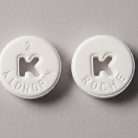
Klonopin 2mg Tablets: Uses, Safety, and Dosage Information
- Estimated Delivery : Up to 4 business days
- Free Shipping & Returns : On all orders over $200
Product Description
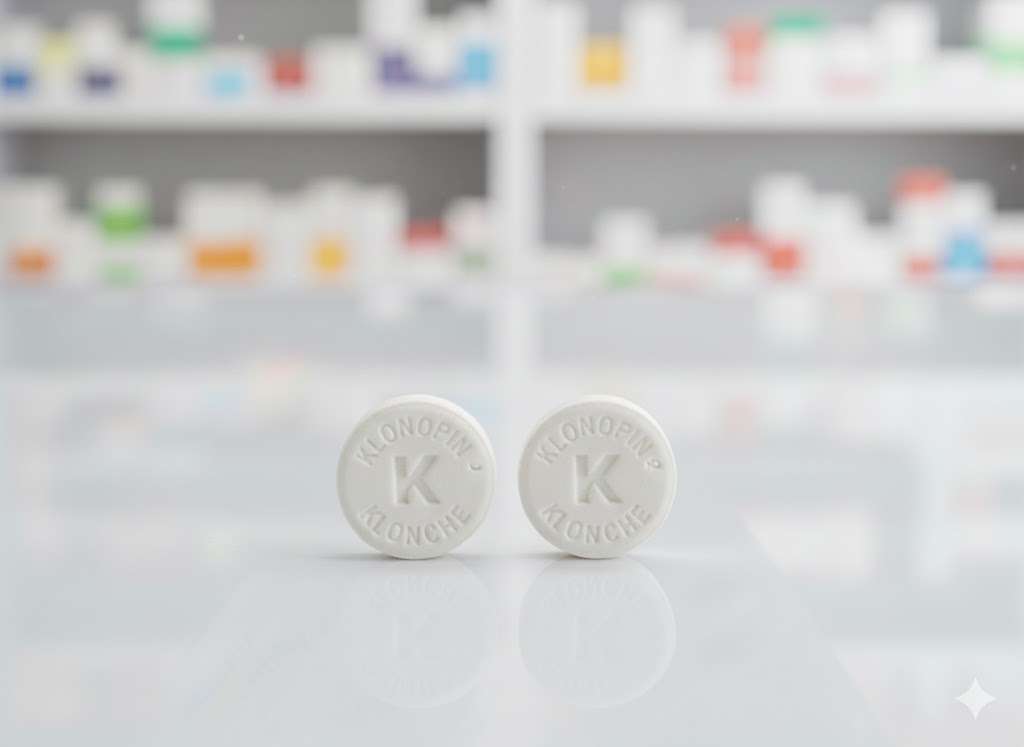
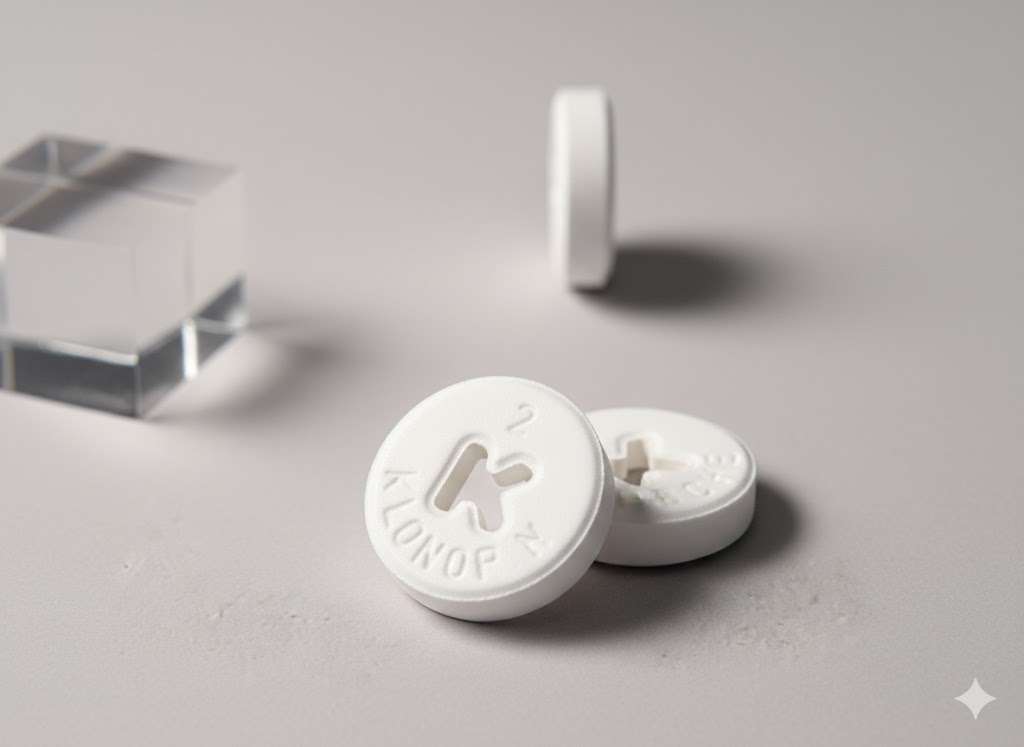
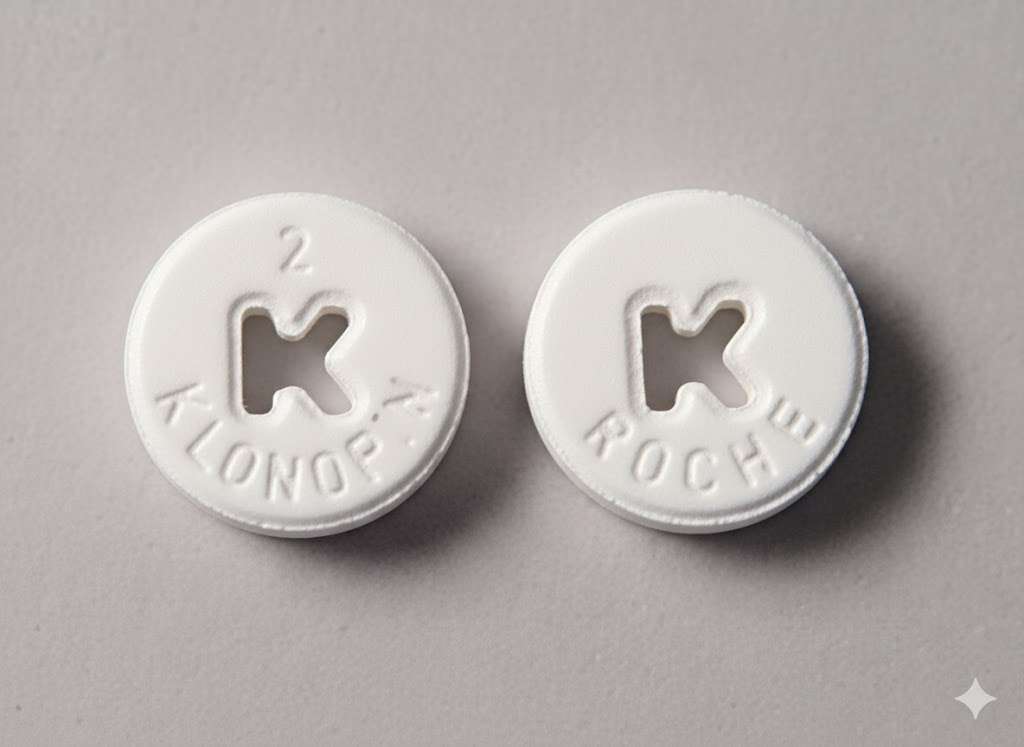
Klonopin 2mg tablets contain clonazepam, a benzodiazepine medicine that acts on the central nervous system. They are prescription-only tablets used for certain seizure disorders and for panic disorder, with or without agoraphobia, in adults. The 2mg strength is not appropriate for every patient, so a licensed healthcare professional should determine and adjust treatment and dosage.
What Are Klonopin 2mg Tablets?
Klonopin is the brand name for clonazepam. Klonopin 2mg tablets belong to the benzodiazepine class of medicines and work by enhancing the activity of gamma-aminobutyric acid (GABA), an inhibitory neurotransmitter in the brain. This action reduces excessive nervous-system activity and contributes to clonazepam’s antiseizure and antipanic effects.
Official U.S. labeling lists Klonopin tablets in 0.5mg, 1mg, and 2mg strengths. The active ingredient in the 2mg tablet is clonazepam. Inactive ingredients listed for the branded 2mg tablet include lactose, magnesium stearate, microcrystalline cellulose, and corn starch. Patients with ingredient sensitivities should review the dispensing label and speak with a pharmacist.
What Is Klonopin Prescribed For?
Klonopin is approved for certain seizure disorders. It may be used alone or with other medicines for Lennox-Gastaut syndrome, akinetic seizures, and myoclonic seizures. It may also help some patients with absence seizures who have not responded to other treatments.
Klonopin is also indicated for panic disorder in adults, including panic disorder with or without agoraphobia. It should not be described simply as a treatment for every type of anxiety because its approved indication is more specific. A healthcare professional should determine whether clonazepam is appropriate based on the patient’s diagnosis, medical history, other medicines, and individual risks.
How Should Klonopin 2mg Tablets Be Taken?
Take Klonopin 2mg tablets exactly as prescribed. The appropriate dose varies by condition, age, response to therapy, other medicines, and side effects. The availability of a 2mg tablet does not mean that 2mg is the correct starting or daily dose for every patient.
Patients should not increase the dose, take the medicine more often, use it longer than prescribed, or share it with another person. Klonopin can cause physical dependence, and suddenly stopping treatment or reducing the dose too quickly can cause serious withdrawal reactions, including increased seizure frequency. Discontinuation may require a gradual dose reduction directed by the prescriber.
Important Safety Warnings
Klonopin is a Schedule IV controlled substance in the United States because clonazepam carries risks of misuse, abuse, addiction, and physical dependence. Store the medicine securely and use it only as prescribed.
Combining clonazepam with opioids can cause profound sedation, slowed or difficult breathing, coma, and death. Alcohol and other central nervous system depressants may also increase drowsiness and impairment. Patients should tell their prescriber and pharmacist about all medicines and supplements they use.
Klonopin may cause sleepiness, dizziness, slowed thinking, and impaired coordination. Patients should avoid driving, operating machinery, or performing hazardous activities until they know how the medicine affects them. The Medication Guide also warns about possible mood or behavioral changes and suicidal thoughts or actions associated with antiepileptic medicines. Report new or worsening symptoms promptly.
Common Side Effects
Commonly reported side effects include drowsiness, dizziness, fatigue, depression, memory problems, and difficulty with walking or coordination. This is not a complete list of possible adverse effects. Severe allergic reactions, breathing problems, extreme sedation, worsening seizures, or serious changes in mood or behavior require prompt medical attention.
Who Should Use Extra Caution?
According to the official labeling, Klonopin should not be used by people with certain contraindications, including significant liver disease, acute narrow-angle glaucoma, or a known allergy to benzodiazepines.
People with respiratory disease, kidney or liver problems, a history of depression or substance misuse, and those who are pregnant, planning pregnancy, or breastfeeding should discuss their circumstances with a healthcare professional before treatment.
Prescription and Dispensing Information
Klonopin is a prescription controlled medicine and should only be dispensed pursuant to a valid prescription in accordance with applicable law. Check product strength, tablet appearance, manufacturer or distributor information, package quantity, and expiration details against the actual supplied packaging rather than copying from older listings.
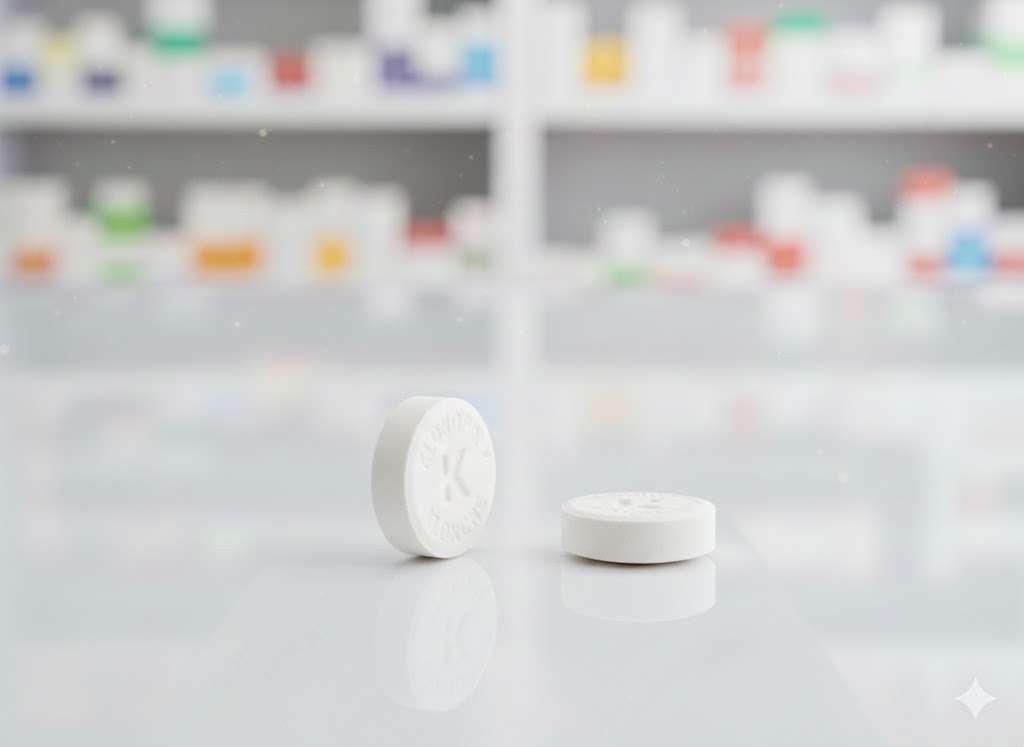
For the current branded U.S. product, DailyMed lists the 2mg Klonopin tablet as white and unscored and identifies H2-Pharma as the distributor and CHEPLAPHARM Arzneimittel GmbH as the license holder. If a website shows a different manufacturer, distributor, or package quantity, verify that information against the specific stock before publication.
Storage
Store Klonopin 2mg tablets as directed on the product label and keep them securely out of the reach of children. Never share the medication with another person. Patients should read the Medication Guide supplied with the prescription and contact their prescriber or pharmacist with questions about dosing, interactions, side effects, or stopping treatment.
Related products
-
Climara 50mcg Estradiol Patch – Hormone Replacement Therapy | Bayer
Original price was: $47.$44.65Current price is: $44.65. - Original price was: $2.99.$1.90Current price is: $1.90.
-

-

-