
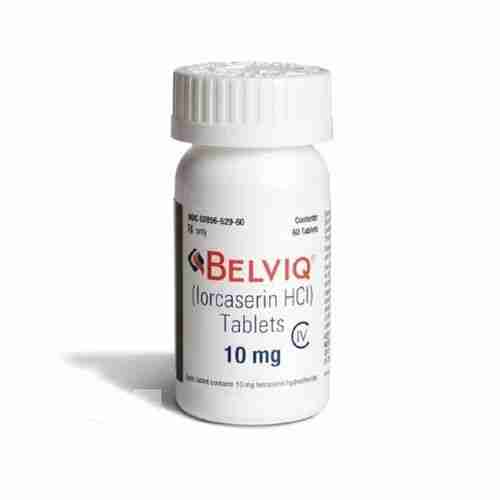

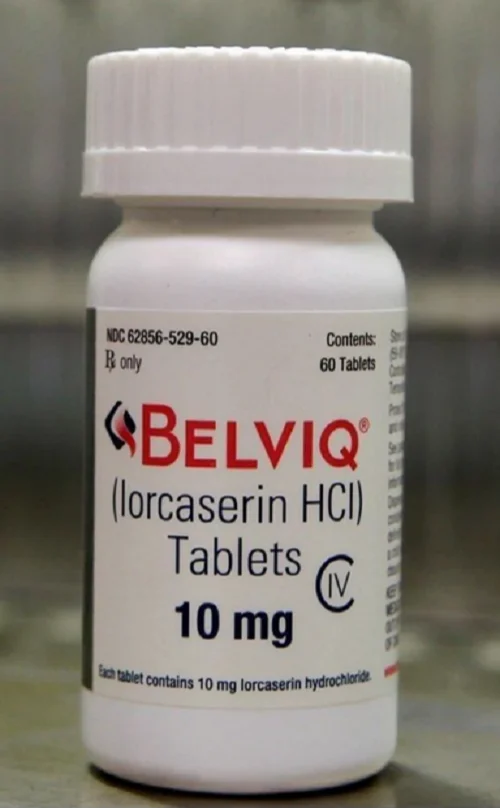

Belviq (Lorcaserin) 10mg: A Secure and Practical Weight Loss Solution
Belviq (Lorcaserin) 10mg, Adults who are overweight or obese and who pose significant health risks as a result of their weight are prescribed Belviq. This drug acts as a serotonin receptor agonist to help people feel fuller with reduced food consumption, and it works especially well when paired with a low-calorie diet and frequent exercise.
Belviq Formulation and Composition
The active component of each Belviq tablet is lorcaserin, a member of the serotonin receptor agonist class. It is advised to take one pill of 10 mg twice a day. An extended-release form of Belviq, Belviq XR, may give different dosage schedules as directed by a physician.
Belviq Safe Use Guide
For people with a Body Mass Index (BMI) of 30 or greater, or for those with a BMI of at least 27 who additionally have a weight-related disease, such as high blood pressure, diabetes, or high cholesterol, the Food and Drug Administration (FDA) has approved Belviq. Belviq functions by activating the brain’s serotonin receptors, which regulate appetite. This helps people lose weight gradually by making them feel full after eating fewer meals.
Management
Belviq is normally used as one 10 mg tablet twice a day, with or without food. For best effects, patients should take their medication as directed and combine it with a calorie-restricted diet and frequent exercise. Belviq use should not be continued by women who are pregnant or nursing.
Action Mechanism
Lorcaserin, the active component of Belviq, signals feelings of fullness by acting on serotonin receptors in the brain. When combined with lifestyle modifications, this signaling can help patients lose weight over time by encouraging them to eat less. Belviq helps cut calories without imposing severe dietary limitations by changing the body’s appetite response.
Potential Responses and Safety Measures
Belviq frequently causes headaches, lightheadedness, exhaustion, nausea, vomiting, and diarrhea in people without diabetes. Other side effects that diabetic people may encounter include weakness, coughing, exhaustion, and hypoglycemia. If a patient has severe or ongoing symptoms, they should consult a doctor.
Interactions with Drugs
Belviq may interact with several drugs, such as dopamine antagonists, tricyclic antidepressants (TCAs), selective serotonin reuptake inhibitors (SSRIs), and monoamine oxidase inhibitors (MAOIs). The risk of cardiac valvulopathy is increased when Belviq is used with specific serotonin 2B (S2B) receptor agonists. If a patient is taking these drugs, they should speak with their physician.
Visit the website to view further weight control options here.




Reviews
There are no reviews yet.