

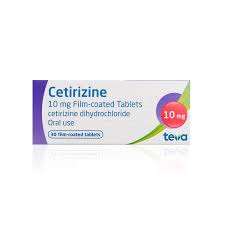
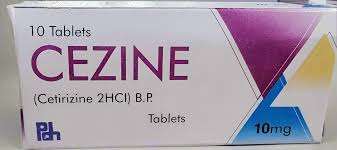
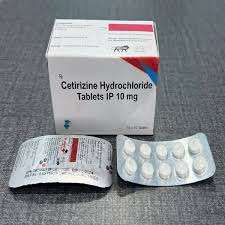
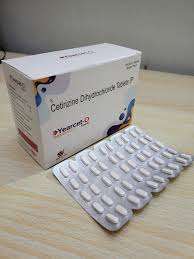
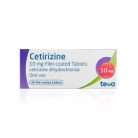
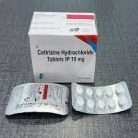
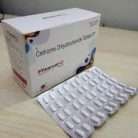
Cetirizine – Technical Information (Reference Only)
Chemical Information
-
Synonyms:
• Cetirizine hydrochloride
• Zyrtec, Reactine (brand names)
• (±)-[2-[4-[(4-chlorophenyl)phenylmethyl]-1-piperazinyl]ethoxy]acetic acid hydrochloride -
Formal Name:
(±)-2-[2-[4-(4-chlorophenyl)phenylmethyl]-1-piperazinyl]ethoxy]acetic acid hydrochloride -
CAS Number:
83881-51-0 -
Molecular Formula:
C21H25ClN2O3 · HCl -
Molecular Weight:
388.9 g/mol (hydrochloride salt) -
Chemical Class:
Second-generation antihistamine; H1 receptor antagonist -
Appearance:
White to off-white crystalline powder
Structural / Spectral Information
-
SMILES:
Clc1ccc(cc1)C(c2ccc(Cl)cc2)N3CCN(CC3)CCOCC(=O)O -
InChI:
InChI=1S/C21H25ClN2O3.HCl/... -
InChI Key:
KYCMFZLURCCTDL-UHFFFAOYSA-L -
λmax (UV):
~ 229–231 nm
Solubility
-
Water: Freely soluble (as hydrochloride salt)
-
Methanol / Ethanol: Soluble
-
DMSO: Soluble
-
Chloroform / Ether: Insoluble
Formulation
-
Supplied as Cetirizine hydrochloride USP/EP grade
-
Purity: ≥98% (analytical/research grade)
-
Common pharmaceutical strengths:
• 5 mg tablet / chewable tablet
• 10 mg tablet
• 1 mg/mL oral solution
• Syrup formulations for children
Storage & Stability
-
Storage Temperature: 20–25 °C (room temperature)
-
Shipping: Ambient temperature acceptable
-
Stability: ≥3–5 years under proper storage
-
Light/Moisture Sensitivity: Protect from prolonged exposure
Safety / Handling
-
Use PPE when handling bulk powder
-
Generally well tolerated; monitor for drowsiness or allergic reactions
-
Store in sealed, dry containers away from children
Related products
- Original price was: $599.$569.05Current price is: $569.05.
- Original price was: $135.$125Current price is: $125.
-
1000CC PMMA BUTTOCK INJECTIONS
Original price was: $950.$899Current price is: $899. -
Hydrogel Buttock Injection kit 1000cc
Original price was: $995.$920Current price is: $920. -
Delestrogen Hormone Replacement Therapy
Original price was: $191.31.$181.74Current price is: $181.74.




Reviews
There are no reviews yet.