
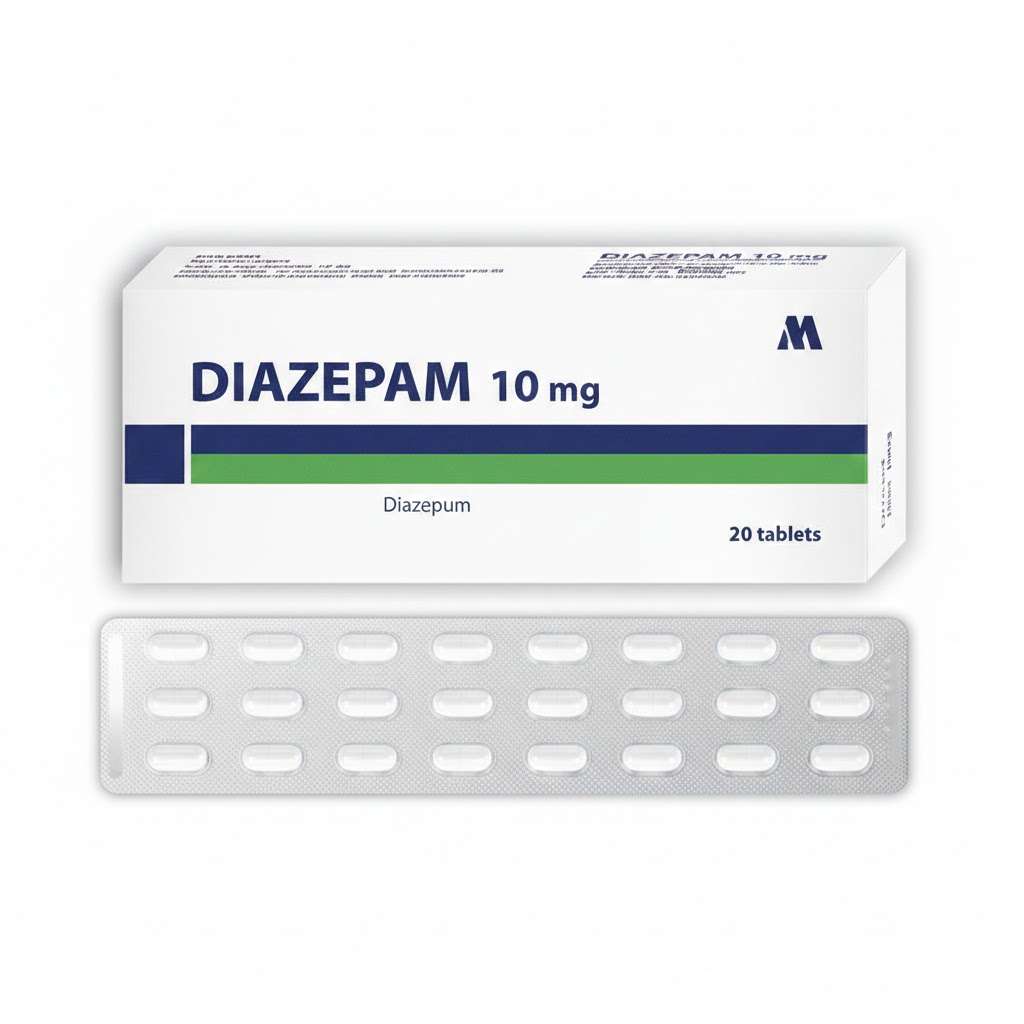




DIAZEPAM 10MG
t acts by enhancing the inhibitory effects of the neurotransmitter GABA (gamma‑aminobutyric acid) in the central nervous system, producing calming, muscle‑relaxant, anticonvulsant, and sedative effects.
- Estimated Delivery : Up to 4 business days
- Free Shipping & Returns : On all orders over $200
Diazepam 10 mg is a benzodiazepine class medication widely prescribed for short‑term relief of anxiety and related conditions. It acts by enhancing the inhibitory effects of the neurotransmitter GABA (gamma‑aminobutyric acid) in the central nervous system, producing calming, muscle‑relaxant, anticonvulsant, and sedative effects.
Active Ingredient & Strength:
Diazepam 10 mg per tablet
Therapeutic Uses:
Diazepam 10 mg is indicated for:
Anxiety disorders and symptom relief (including panic states).
Muscle spasms and spasticity due to injury or neurologic conditions.
Seizure control (adjunctive therapy and emergency use).
Alcohol withdrawal syndrome to reduce agitation and tremors.
Premedication for sedation before procedures (clinician‑directed).
Mechanism of Action:
Diazepam enhances the effect of GABA, the primary inhibitory neurotransmitter in the brain, increasing chloride ion influx into neurons and producing central nervous system depression that helps reduce anxiety, induce skeletal muscle relaxation, and control excessive neural activity.
Administration & Dosing:
Route: Oral
Typical adult dose: Diazepam 10 mg may be used alone or as part of a gradual dosing schedule depending on the indication; follow a clinician’s prescription and monitoring.
Caution: Because of the long half‑life (up to 48 hours) and dose strength, dosing frequency and length of use should be individualized, especially in older adults and those with liver or renal impairment.
Safety & Precautions:
Prescription Only: Diazepam is a centrally acting benzodiazepine requiring medical supervision.
Dependence & Tolerance: Risk of psychological and physical dependence with prolonged use; use is typically limited to short‑term management (usually 2–4 weeks).
CNS Depression: May cause drowsiness, sedation, dizziness, and impaired coordination; avoid driving or hazardous tasks until effects are known.
Interactions: Strong CNS depressants (e.g., alcohol, opioids) significantly increase the risk of respiratory depression and sedation.
Contraindications: Acute narrow‑angle glaucoma, severe respiratory insufficiency, known benzodiazepine hypersensitivity, severe hepatic impairment.
Side Effects:
Common side effects may include drowsiness, fatigue, muscle weakness, blurred vision, and lightheadedness. Severe reactions (e.g., respiratory distress, confusion) warrant immediate clinical evaluation.
Storage:
Store at room temperature away from moisture and light. Keep securely out of reach of children and unauthorized users.

Reviews
There are no reviews yet.