
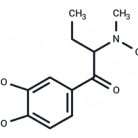
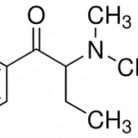
Dibutylone
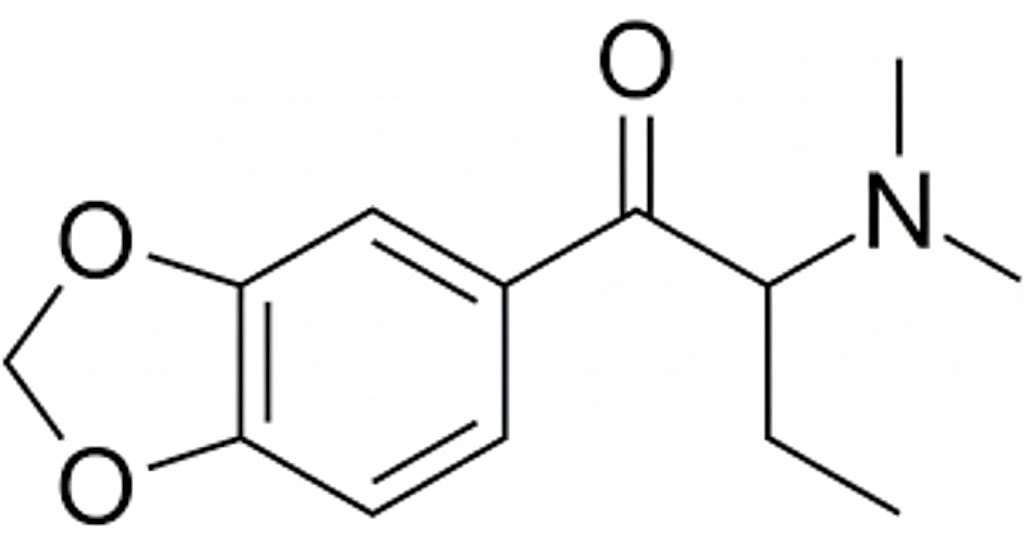
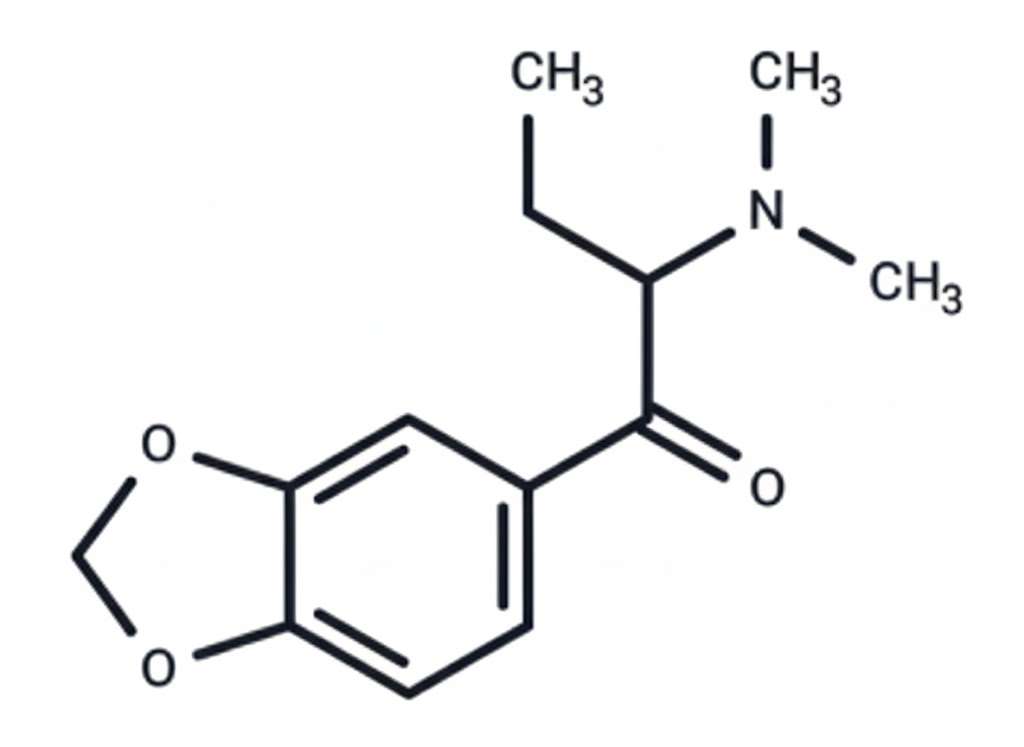
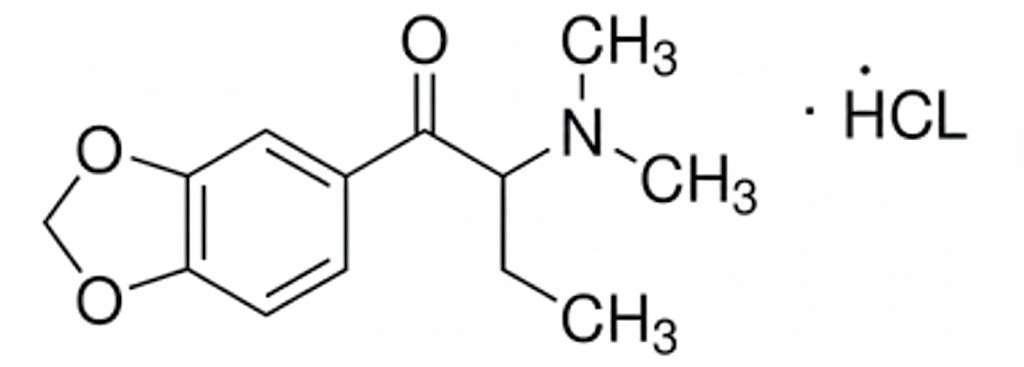
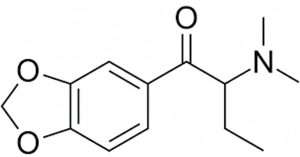
Dibutylone, also known by its chemical name 1‑(benzo[d][1,3]dioxol‑5‑yl)‑2‑(dimethylamino)butan‑1‑one and abbreviated bk‑DMBDB, is a synthetic stimulant substance belonging to the cathinone, amphetamine, and phenethylamine families.
- Estimated Delivery : Up to 4 business days
- Free Shipping & Returns : On all orders over $200
Dibutylone, also known by its chemical name 1‑(benzo[d][1,3]dioxol‑5‑yl)‑2‑(dimethylamino)butan‑1‑one and abbreviated bk‑DMBDB, is a synthetic stimulant substance belonging to the cathinone, amphetamine, and phenethylamine families.
It is structurally related to designer cathinones such as butylone and methylone, compounds that have historically appeared in non‑medical products marketed as “bath salts” or labeled as research chemicals.
Key Characteristics:
Chemical Class: Synthetic cathinone (stimulant)
CAS Number: 802286‑83‑5
Form: Typically supplied as a crystalline powder
Purity: Often > 98 % when sold as a research chemical
Intended Use:
Marketed by some suppliers strictly as a laboratory reference standard or research chemical (e.g., for analytical chemistry, forensic toxicology, or scientific study).
Mechanism & Effects:
Like other cathinone stimulants, dibutylone likely influences monoamine systems (dopamine and norepinephrine), producing stimulant effects; however, human pharmacology is poorly characterized and not approved for any medical use.
Available forensic evidence suggests it may produce effects qualitatively similar to methamphetamine, cocaine, or MDMA in animal models, indicating stimulant potential and risk of abuse.
Safety & Legal Status:
Not approved for human or veterinary use.
Schedule I controlled substance in the United States (no accepted medical use and high potential for abuse) and likely controlled or illegal in many countries.
Effects in humans are not well studied, and toxicity, safe dosing, and long‑term health impact are unknown and potentially dangerous.
Should be handled only in controlled laboratory settings by trained personnel with appropriate safety protocols.
Storage & Handling:
Store in a sealed container in a cool, dry, and dark environment.
Use proper laboratory safety gear (gloves, eye protection, fume hood) and observe regulatory requirements for controlled chemical substances.
Be the first to review “Dibutylone”
Related products


4-cl-pvp Crystal, Price Each Per Gram!
Original price was: $110.15.$95.75Current price is: $95.75.



Reviews
There are no reviews yet.