

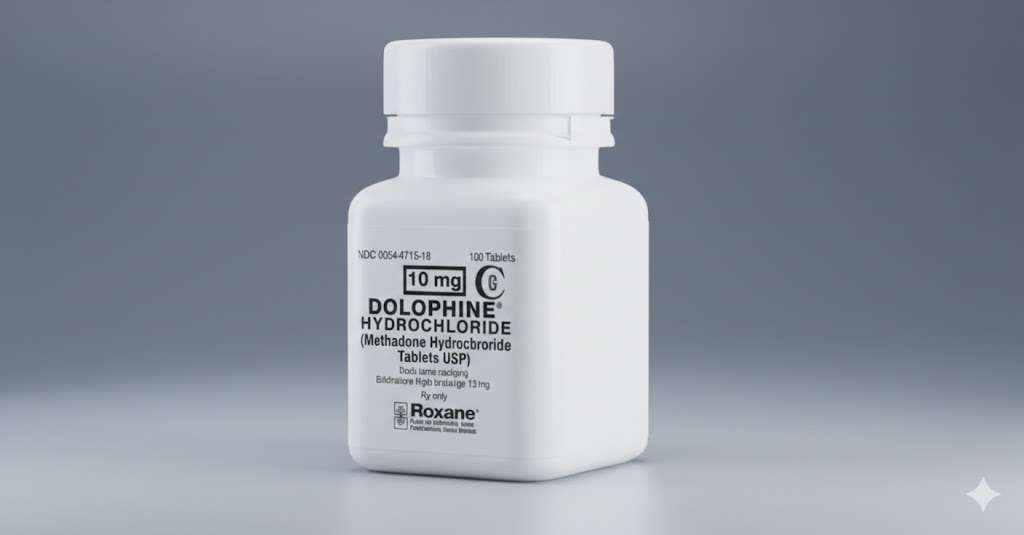

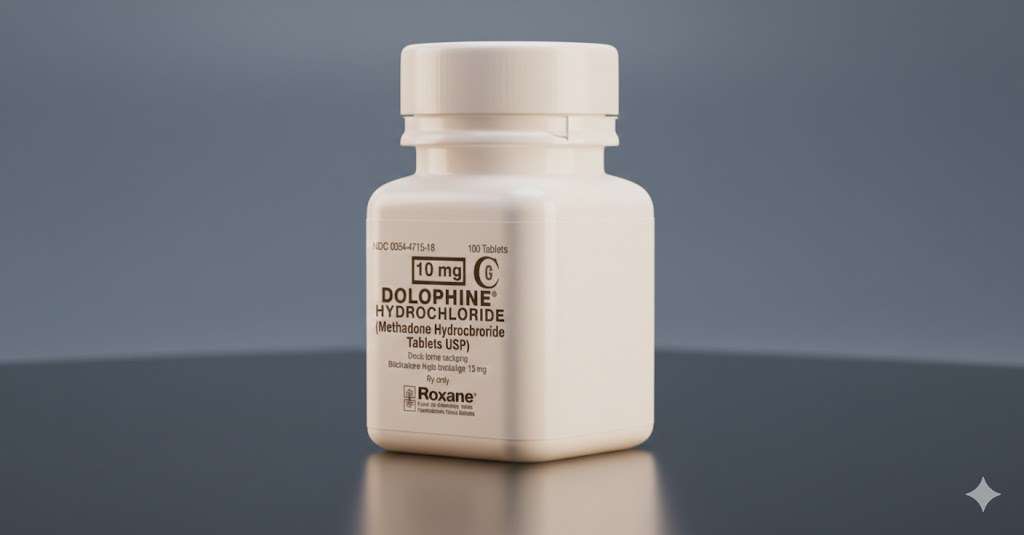


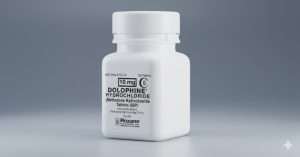
Dolophine
Dolophine is the brand name for methadone hydrochloride, a synthetic opioid analgesic used in clinical practice for the long-term management of pain and as part of opioid use disorder (OUD) treatment protocols when indicated.
- Estimated Delivery : Up to 4 business days
- Free Shipping & Returns : On all orders over $200
Dolophine is the brand name for methadone hydrochloride, a synthetic opioid analgesic used in clinical practice for the long-term management of pain and as part of opioid use disorder (OUD) treatment protocols when indicated. Methadone binds to mu-opioid receptors in the central nervous system to alter perception and response to pain and to stabilize patients with chronic opioid dependence.
Key Benefits & Clinical Uses:
-
Chronic Pain Management: Effective for moderate to severe pain requiring around-the-clock opioid therapy when other analgesics are inadequate.
-
Opioid Use Disorder (Maintenance & Detox): Used as a long-acting maintenance therapy and detoxification agent in structured treatment programs.
-
Flexible Formulations: Available in oral tablets, oral solution/syrup, and other formulations under various brand names, enabling tailored dosing.
Mechanism of Action:
Methadone is a mu-opioid receptor agonist that suppresses pain signals in the central nervous system and reduces symptoms of opioid withdrawal by producing a long-lasting opioid effect with a slower onset. It also has modest NMDA receptor antagonist properties that may contribute to analgesia.
Typical Dosage Forms:
-
Dolophine (methadone) tablets: typically 5 mg, 10 mg strengths (brand/discontinued status varies by region).
-
Methadone oral solution/syrup: available in multiple concentrations (e.g., 5 mg/5 mL, 10 mg/5 mL).
Administration & Dosing:
-
Prescription Only: Dolophine must be prescribed and supervised by a qualified clinician.
-
Pain: Initial dosing may start at a low level with gradual adjustments due to long and variable half-life.
-
OUD: Typically administered once daily as part of a certified opioid treatment program under regulatory guidelines for addiction management.
Safety & Precautions:
-
Controlled Substance: Methadone is a Schedule II opioid with high potential for dependence, abuse, and overdose.
-
Respiratory Depression: The most serious risk; monitoring is essential, especially during initiation and dose changes.
-
Cardiac Risks: May cause QT interval prolongation and serious arrhythmias (Torsades de Pointes) at high doses or with interactions.
-
Interactions: Avoid concurrent use with other CNS depressants without medical oversight.
-
Contraindications: Acute respiratory depression, severe asthma without resuscitative equipment, paralytic ileus, known hypersensitivity.
Common Side Effects:
-
Nausea, dizziness, sedation, sweating, constipation, headache
-
Serious effects include respiratory depression, hypotension, cardiac arrhythmias at higher or inappropriate doses.
Storage:
-
Store at room temperature, protected from light and moisture.
-
Secure storage and handling in compliance with controlled-substance regulations.





Reviews
There are no reviews yet.