
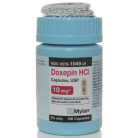
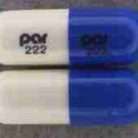
Doxepin 10 mg, 25 mg, or 50 mg: A Successful Treatment for Insomnia, Anxiety, and Depression
Doxepin is a tricyclic antidepressant (TCA) doxepin are frequently used to treat a range of illnesses, such as anxiety, depression, sleeplessness, and some skin issues including itching. It helps to stabilize mood and enhance sleep quality by restoring balance to the brain’s neurotransmitters.
Formulation and Composition
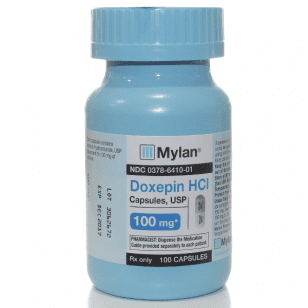
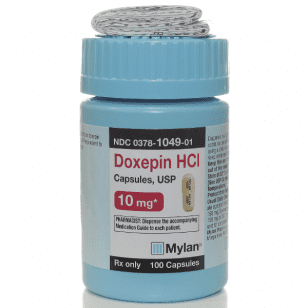
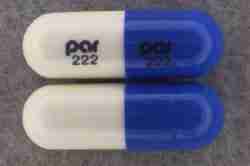
Doxepin hydrochloride is the active ingredient in each of the 10 mg, 25 mg, and 50 mg dosages of doxepin tablets. Usually round, white, or off-white, the tablets have a film coating to make swallowing easier. Inactive substances are included to guarantee the medication’s stability and efficacy.
Guide to Safe Use
Doxepin is frequently used for insomnia, major depressive disorder (MDD), and generalized anxiety disorder (GAD), especially when anxiety or depression is linked to sleep difficulties. Additionally, it can be used to treat pruritus, or itching, which is related to specific skin disorders.
The usual starting dose for treating anxiety and depression is 25–50 mg per day, administered at bedtime. In most cases, a smaller dosage of 10–25 mg works well for insomnia. A doctor may change the dosage depending on how the patient reacts to the drug.
Management
To aid with sleep and reduce daytime drowsiness, doxepin tablets should be taken orally once day, generally before bed. Instead of chewing or crushing the tablet, consume it whole with a glass of water. Although it is not required to take doxepin with food, it is recommended to abstain from alcohol while taking it because it may intensify its sedative effects.
Action Mechanism
Doxepin functions by preventing the brain’s serotonin and norepinephrine from being reabsorbed. These neurotransmitters are essential for controlling mood, anxiety, and sleep cycles. It is also beneficial in relieving itching and insomnia because of its antihistamine qualities.
Potential Responses and Safety Measures
Sleepiness, dry mouth, constipation, blurred eyesight, and weight gain are typical adverse effects. Additionally, some patients may have bladder retention, disorientation, or confusion. As the body adapts to the medication, these side effects usually get better with time.
Although they are uncommon, serious adverse effects include seizures, suicidal thoughts, and irregular heartbeats. Doxepin should be used cautiously by people who have a history of heart issues, glaucoma, or urine retention.
Caution
In young individuals under 25, doxepin can raise the risk of suicide thoughts or behaviours. Early in the course of treatment, patients should be closely observed.
Because doxepin might enter breast milk, it is crucial to speak with a doctor before taking it if you are pregnant, intend to get pregnant, or are nursing a baby.
Doxepin pills should be stored at room temperature, away from heat, light, and moisture. Keep children and pets away from the drug.
In conclusion
For the treatment of insomnia, anxiety, and depression, doxepin is a useful and efficient drug. It enhances mood and sleep quality by controlling neurotransmitters in the brain. To guarantee safety and effectiveness, it should be administered under a doctor’s supervision, just like any other medication.
Furthermore, You may read more about the medication here.
Be the first to review “Doxepin”
Related products
Buy Dextroamphetamine (Dexedrine) 5mg generic Tablet, PRICE EACH PER PILL!
Original price was: $6.75.$5.95Current price is: $5.95.

 $120
$120- Original price was: $4.$2.99Current price is: $2.99.




Reviews
There are no reviews yet.