
Escitalopram (Lexapro) 10mg: A Secure and Efficient Treatment for Anxiety and Depression
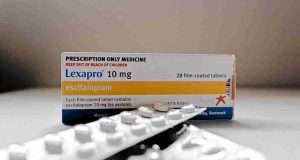
Escitalopram (Lexapro) 10mg is a safe, non-sedative drug is used to treat anxiety, depression, and other mental health issues. This oral drug supports emotional stability and well-being by assisting in the regulation of serotonin levels in the brain.
Formulation and Composition of Escitalopram (Lexapro) 10 mg
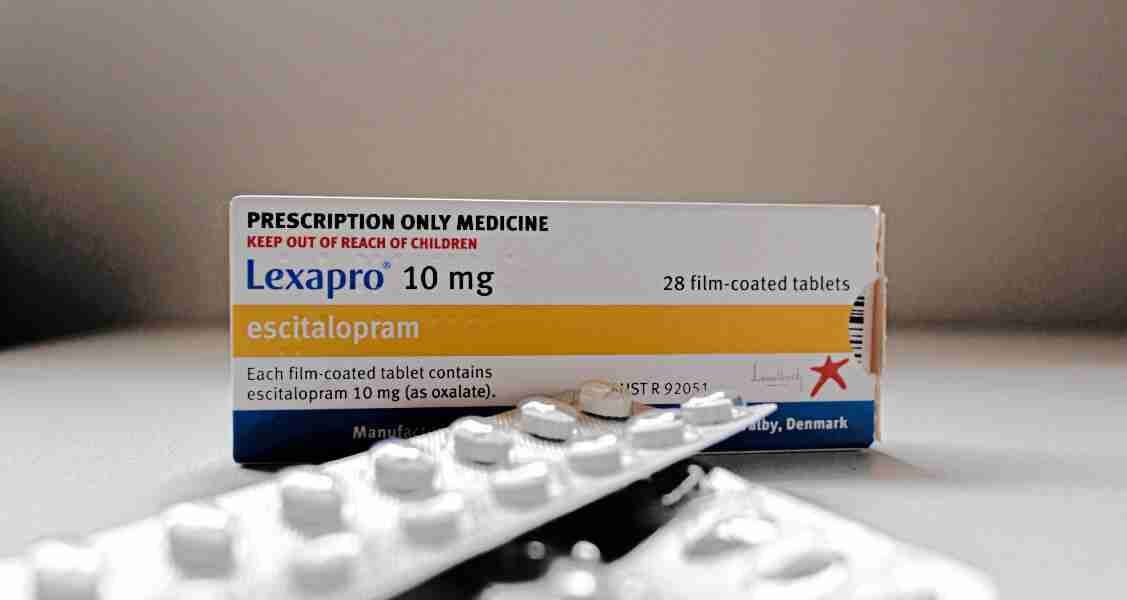
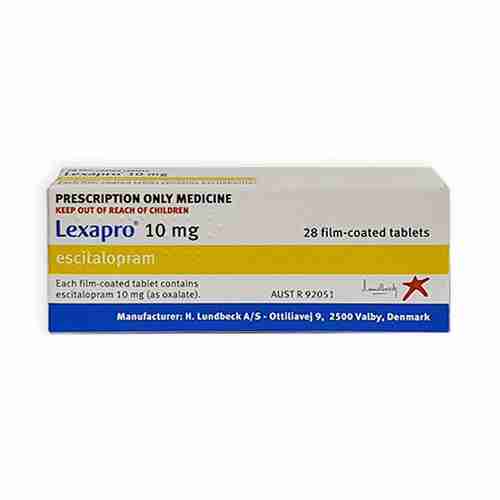
Escitalopram oxalate is the active ingredient in each 10 mg tablet of Escitalopram. The spherical, light green pills have the words “Lexapro 10” printed on one side. They can be taken orally with or without food.
Escitalopram (Lexapro) 10 mg Safe Use Guide
For individuals with generalised anxiety disorder (GAD) and major depressive disorder (MDD), doctors usually prescribe 10 mg of escitalopram. A starting dose of 10 mg once daily is advised. With a usual dosage range of 10 mg to 20 mg per day, the doctor may modify the dosage based on the patient’s response. Patients should always follow their doctor’s instructions and never change their dosage on their own.
Administration
To aid in remembering the dosage, escitalopram 10 mg is often taken once day at the same time. To guarantee adequate absorption, it should be eaten whole, without chewing or crushing. Even if a patient feels better, they should to take the prescription because stopping too soon could cause their symptoms to return.
Action Mechanism
Escitalopram improves mood, lowers anxiety, and fosters emotional equilibrium by specifically blocking the brain’s serotonin reuptake and raising serotonin levels.
Potential Responses and Safety Measures
Nausea, sleepiness, sleeplessness, dry mouth, lightheadedness, and increased perspiration are typical adverse effects. Some people may also experience sexual adverse effects like decreased libido or trouble having an orgasm. These side effects are usually minor and go away with time. However, it’s crucial to see a doctor if these side effects increase or continue.
Mood swings, increased anxiety, sadness, or suicidal thoughts are examples of serious adverse effects, particularly during the early phases of treatment or while changing the dosage. Close observation of these signs is essential.
Muscle cramps, restlessness, altered appetite, and tremors are possible additional severe side effects. If these happen, patients should get in touch with their healthcare professional right away.
Precautions
Tell your doctor about any allergies, pre-existing conditions, and whether you are pregnant, want to become pregnant, or nursing before using escitalopram. People with a history of seizures, liver or kidney problems, or bipolar disorder should use escitalopram with caution.
Blood thinners, painkillers, and other antidepressants are among the drugs that escitalopram may interact with, increasing the risk of bleeding and other adverse effects. To prevent harmful interactions, let your doctor know about all additional medications you are taking.
Caution
Escitalopram may make suicidal thoughts more likely, especially in young adults under 25. During the first few months of treatment, close medical supervision is crucial. Anyone with a history of mental health issues is also at risk.
Alcohol should be avoided by patients taking escitalopram since it can exacerbate adverse effects like sleepiness and dizziness. Additionally, alcohol can decrease mental clarity, increasing the risk of performing dangerous duties like operating machinery or driving.
Keeping
Escitalopram should be kept at room temperature and out of direct sunlight and moisture. Keep dogs and children away from it.
In conclusion
A very useful drug for treating anxiety, depression, and other mental health issues is escitalopram (10 mg; Lexapro). Throughout therapy, patients should closely follow their doctor’s recommendations and keep an eye out for any changes in their health. Before altering your drug schedule, always get advice from your healthcare professional.
Furthermore, You may read more about the medication here.
Be the first to review “Escitalopram (Lexapro) 10mg”
Related products
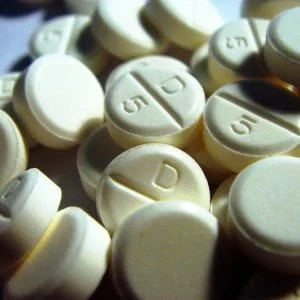
Buy Dextroamphetamine (Dexedrine) 5mg generic Tablet, PRICE EACH PER PILL!
Original price was: $6.75.$5.95Current price is: $5.95.Dexedrine 5mg generic Tablet buy from onlline
Original price was: $6.75.$5.95Current price is: $5.95.
 $120
$120



Reviews
There are no reviews yet.