
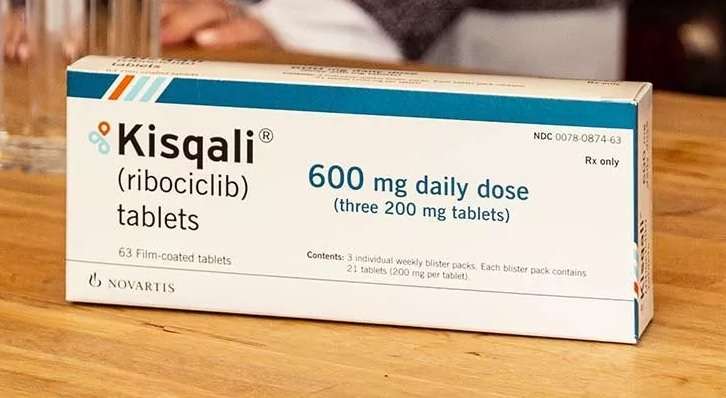
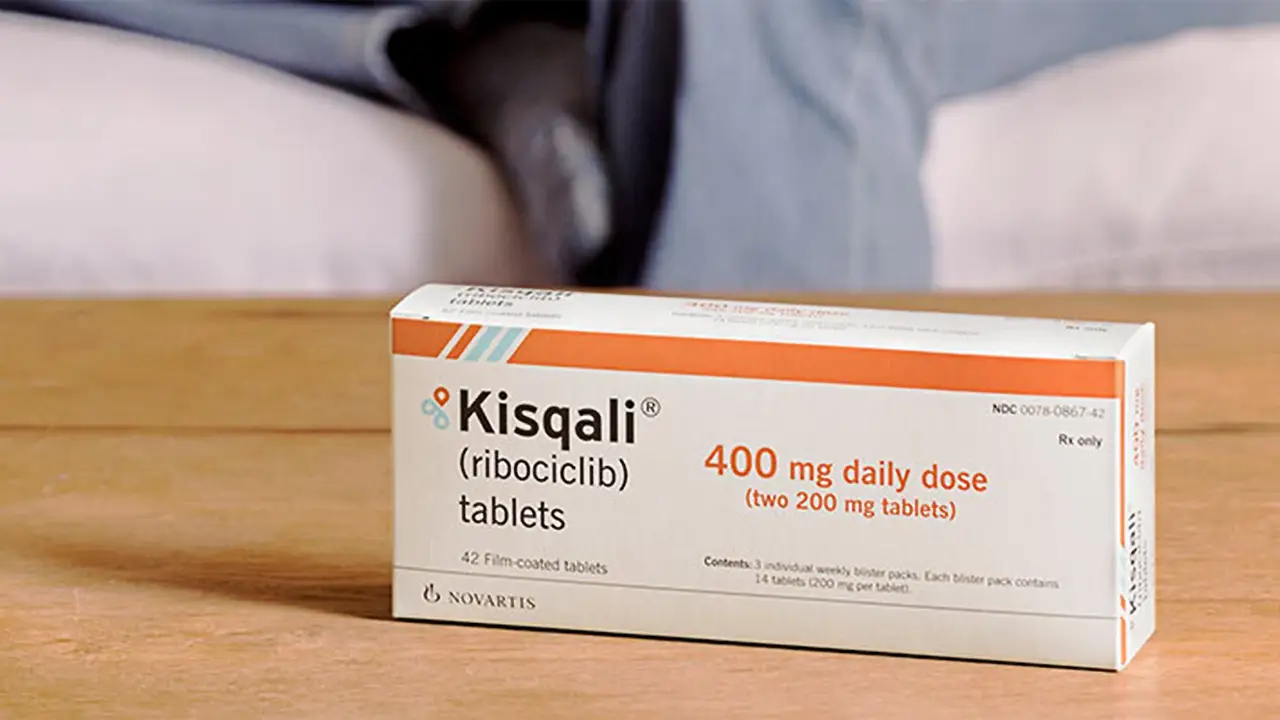
Kisqali (Ribociclib)
Kisqali (Ribociclib) is a prescription oral medication used in combination with endocrine therapy for the treatment of hormone receptor–positive (HR+), HER2-negative breast cancer. It is indicated for certain patients with early, advanced, or metastatic disease and works by inhibiting cyclin-dependent kinases (CDK4/6) to slow cancer cell growth.
- Estimated Delivery : Up to 4 business days
- Free Shipping & Returns : On all orders over $200
Kisqali (Ribociclib) – Important Safety Information & Patient Guide
Kisqali (Ribociclib) is a prescription-only medicine used in the treatment of certain types of hormone receptor–positive (HR+), HER2-negative breast cancer. It is typically prescribed in combination with endocrine therapy and must be used under strict medical supervision.
Important Safety Information
Lung Problems
- Shortness of breath or difficulty breathing
- Persistent cough, with or without mucus
- Chest pain
Severe Skin Reactions
Serious skin reactions have been reported. Seek urgent medical attention if you notice:
- Severe or worsening rash
- Red or peeling skin
- Blistering of the lips, mouth, or eyes
- Skin pain, burning, or flu-like symptoms
Heart Rhythm Problems (QT Prolongation)
KISQALI can cause QT prolongation, a heart rhythm condition that may lead to abnormal heartbeat or death. Your healthcare provider should perform heart monitoring (ECG) and blood tests before and during treatment.
- Report fast or irregular heartbeat immediately
- Tell your provider if you feel dizzy or faint
Liver Problems
KISQALI may cause serious liver injury. Blood tests are required before and during treatment. Contact your healthcare provider if you experience:
- Yellowing of the skin or eyes (jaundice)
- Dark, tea-colored urine
- Severe fatigue
- Loss of appetite
- Upper right abdominal pain
- Unusual bruising or bleeding
Low White Blood Cell Counts (Neutropenia)
Low white blood cell counts are common with KISQALI and may increase infection risk. Inform your healthcare provider immediately if you develop:
- Fever or chills
- Signs of infection
Your healthcare provider may reduce your dose, temporarily stop, or permanently discontinue KISQALI if serious side effects occur.
Before Taking KISQALI
Tell your healthcare provider if you have or have had:
- Heart disease, heart failure, or abnormal heart rhythms
- History of heart attack or slow heartbeat
- Uncontrolled high blood pressure
- Electrolyte imbalances (potassium, calcium, magnesium, phosphorus)
- Liver or kidney problems
- Signs of infection such as fever or chills
Pregnancy & Breastfeeding
KISQALI can harm an unborn baby.
- Pregnancy testing is required before treatment
- Effective contraception should be used during treatment and for at least 3 weeks after the last dose
- Do not breastfeed during treatment and for at least 3 weeks after the final dose
Drug Interactions
Inform your healthcare provider about all medicines you take, including prescription drugs, over-the-counter medicines, vitamins, and herbal supplements. KISQALI may interact with other medications and increase side effect risk.
What to Avoid While Taking KISQALI
- Avoid grapefruit and grapefruit juice, as they may increase ribociclib levels in your blood
Most Common Side Effects
Early Breast Cancer
- Low white and red blood cell counts
- Increased liver or kidney function tests
- Infections
- Nausea
- Headache
- Fatigue
Advanced or Metastatic Breast Cancer
- Low blood cell counts
- Nausea, vomiting, diarrhea, constipation
- Fatigue
- Hair loss
- Rash and cough
- Back pain
- Low blood sugar levels
KISQALI may affect male fertility. Speak with your healthcare provider if this is a concern.
Always report any side effects that persist or worsen. This is not a complete list of possible side effects. Consult your healthcare provider or pharmacist for full medical information.
| mg | 400mg, 600mg |
|---|---|
| Quantity | 42 PILLS, 63 PILLS |
Be the first to review “Kisqali (Ribociclib)”
Related products
- Original price was: $511.$485.45Current price is: $485.45.
 $100
$100- Original price was: $105.$100Current price is: $100.



Reviews
There are no reviews yet.