
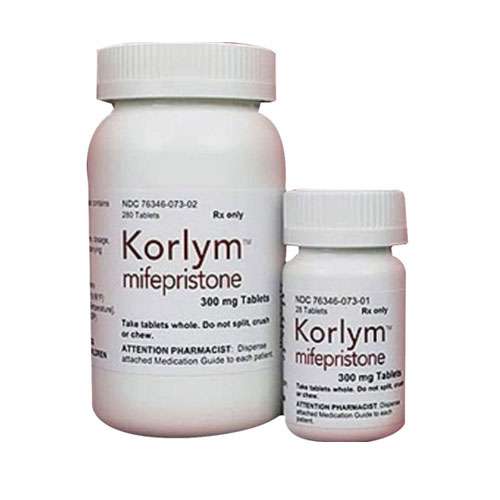

Korlym (mifepristone)
Brand name: Korlym
Dosage form: Oral tablet
Strength: 300 mg
Doctors individualize dosing based on patient response and tolerance. Therefore, patients should never adjust their dose without medical advice.
- Estimated Delivery : Up to 4 business days
- Free Shipping & Returns : On all orders over $200
Overview: Korlym (Mifepristone)
Korlym (mifepristone) is an oral tablet used to treat high blood sugar in certain people with Cushing’s syndrome. Specifically, doctors prescribe it for patients whose bodies produce too much cortisol and who also have type 2 diabetes or glucose intolerance.
Mifepristone works by blocking the effects of specific hormones in the body. As a result, cortisol activity decreases, which helps improve blood sugar control. Common side effects include low appetite, joint pain, fluid retention, and increased blood pressure. In rare cases, serious side effects such as vaginal bleeding, adrenal gland problems, heart rhythm changes, or pneumonia may occur.
Because of these risks, patients should take Korlym only under close medical supervision.
Uses of Mifepristone
What Is Mifepristone Used For?
Mifepristone most commonly treats high blood sugar in adults with Cushing’s syndrome who also have type 2 diabetes or glucose intolerance. In these patients, excess cortisol interferes with normal blood sugar regulation. By blocking cortisol’s effects, mifepristone helps restore better glucose control.
Additionally, healthcare providers may prescribe mifepristone for other conditions when they determine it is medically appropriate. Therefore, patients should always follow their provider’s instructions and approved indications.
For pregnancy termination, a different product containing mifepristone is used. See also: Mifepristone (Mifeprex).
How Mifepristone Works
Mechanism of Action
Mifepristone blocks the effects of certain hormones in the body. At lower doses, it blocks progesterone, which is necessary to maintain pregnancy. However, Korlym uses higher doses that primarily block cortisol receptors.
Cortisol is a stress hormone that raises blood sugar levels. In people with Cushing’s syndrome, excessive cortisol causes persistent hyperglycemia. By blocking cortisol’s action, mifepristone lowers blood sugar and improves metabolic control.
As a result, many patients experience better glucose regulation over time.
Dosage Forms and Strengths
How Is Mifepristone Supplied?
Brand name: Korlym
Dosage form: Oral tablet
Strength: 300 mg
Doctors individualize dosing based on patient response and tolerance. Therefore, patients should never adjust their dose without medical advice.
Storage Information
How Should I Store Mifepristone?
Store mifepristone at room temperature between 68°F and 77°F (20°C to 25°C). Short-term exposure to temperatures between 59°F and 86°F (15°C to 30°C) is acceptable during transport.
Additionally, keep the medication in a cool, dry place and away from excess moisture. Always store it out of reach of children.
Side Effects of Mifepristone
Common Side Effects
The most common side effects include:
Nausea or vomiting
Tiredness or fatigue
Headache
Low potassium levels
Joint pain
Fluid buildup in hands, legs, ankles, or feet
High blood pressure
Dizziness
Low appetite
Vaginal bleeding
Although many side effects are mild, patients should report persistent or bothersome symptoms to their healthcare provider.
Serious Side Effects
While less common, serious side effects can occur and require immediate medical attention.
Severe Allergic Reactions
Stop taking mifepristone and seek emergency care if you experience breathing problems, swelling of the face or throat, hives, dizziness, or fainting.
Low Potassium Levels (Hypokalemia)
Mifepristone may lower potassium levels, which can become life-threatening. Therefore, doctors often monitor blood potassium. Symptoms include muscle cramps, constipation, weakness, or extreme fatigue.
Adrenal Insufficiency
By blocking cortisol, mifepristone may reduce adrenal hormone production. As a result, symptoms such as nausea, dizziness, low blood pressure, or low blood sugar may occur.
Vaginal Bleeding
Hormonal changes can thicken the uterine lining and cause vaginal bleeding. This risk increases in people with bleeding disorders or those using blood thinners.
Heart Rhythm Changes
Mifepristone may cause QT prolongation, a rare but dangerous heart rhythm disorder. Seek medical help if you feel faint or notice an irregular heartbeat.
Pneumonia
Some patients develop pneumonia after starting treatment. Contact your provider if you experience cough, fever, shortness of breath, or increased mucus.
Warnings and Precautions
Who Should Not Use Mifepristone?
Do not take mifepristone if you:
Are allergic to mifepristone or Korlym
Are pregnant
Have unexplained vaginal bleeding
Have endometrial cancer or abnormal uterine lining thickening
Additionally, patients taking certain medications should avoid mifepristone due to serious drug interactions.
Before Taking Mifepristone
Important Safety Information
Take mifepristone only if a healthcare provider prescribes it. Do not share this medication with others. Swallow tablets whole and never crush or chew them.
Medical Conditions to Discuss
Tell your healthcare provider if you have:
Liver or kidney disease
Heart problems
Bleeding disorders
Low potassium levels
Thyroid disease
A history of organ transplant
Pregnancy and Breastfeeding
Mifepristone can harm an unborn baby. Therefore, patients who can become pregnant must use nonhormonal birth control during treatment and for one month after stopping the medication.
Additionally, mifepristone passes into breast milk. Discuss breastfeeding risks with your healthcare provider before starting treatment.
Drug and Food Interactions
Food and Drink Interactions
Take mifepristone with food to improve absorption. However, avoid grapefruit and grapefruit juice because they increase drug levels and side effect risk.
Alcohol may worsen nausea or bleeding. Therefore, limit or avoid alcohol while taking mifepristone.
Drug Interactions
Many medications interact with mifepristone, including:
Statins
Corticosteroids
Blood thinners
Seizure medications
Antifungal drugs
HIV or hepatitis C treatments
St. John’s wort
Because interactions can be serious, always provide a full medication list to your healthcare provider.
Be the first to review “Korlym (mifepristone)”
Related products
Vagiprost (vaginal misoprostol product name)
Original price was: $18.$12.50Current price is: $12.50.Generic mifepristone — Zydus (labelled generics)
Original price was: $100.$90Current price is: $90.

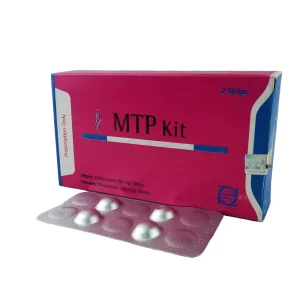
MTP Kit (generic combo kits common in South Asia)
Original price was: $180.$150Current price is: $150.Misoprostol — generic (various manufacturers)
Original price was: $40.$30Current price is: $30.





Reviews
There are no reviews yet.