
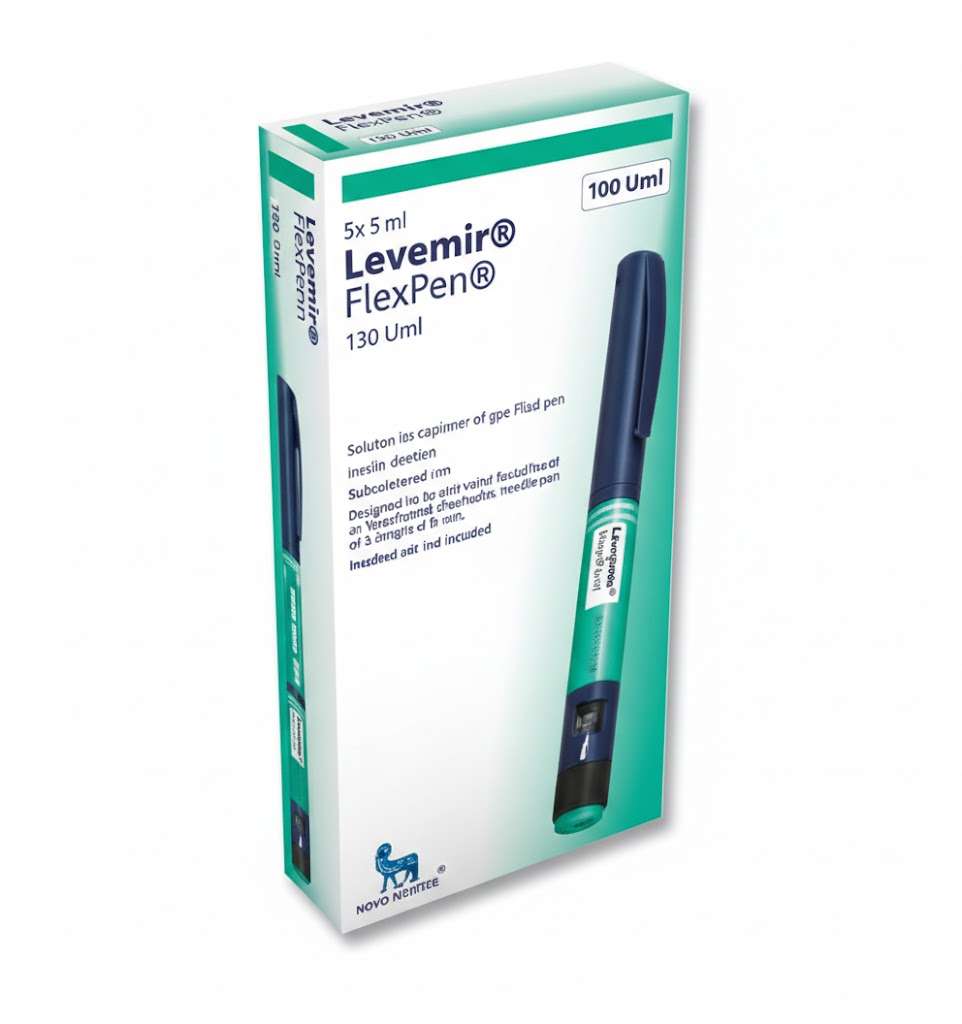
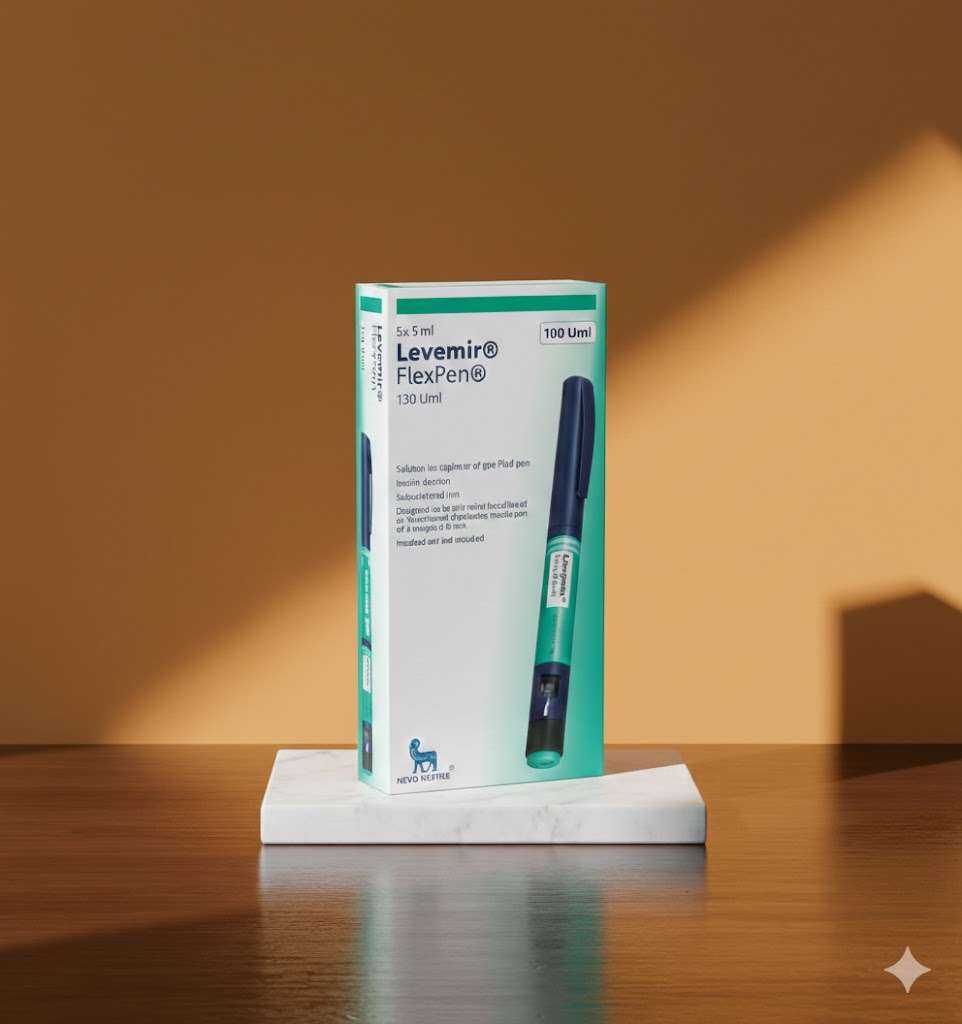
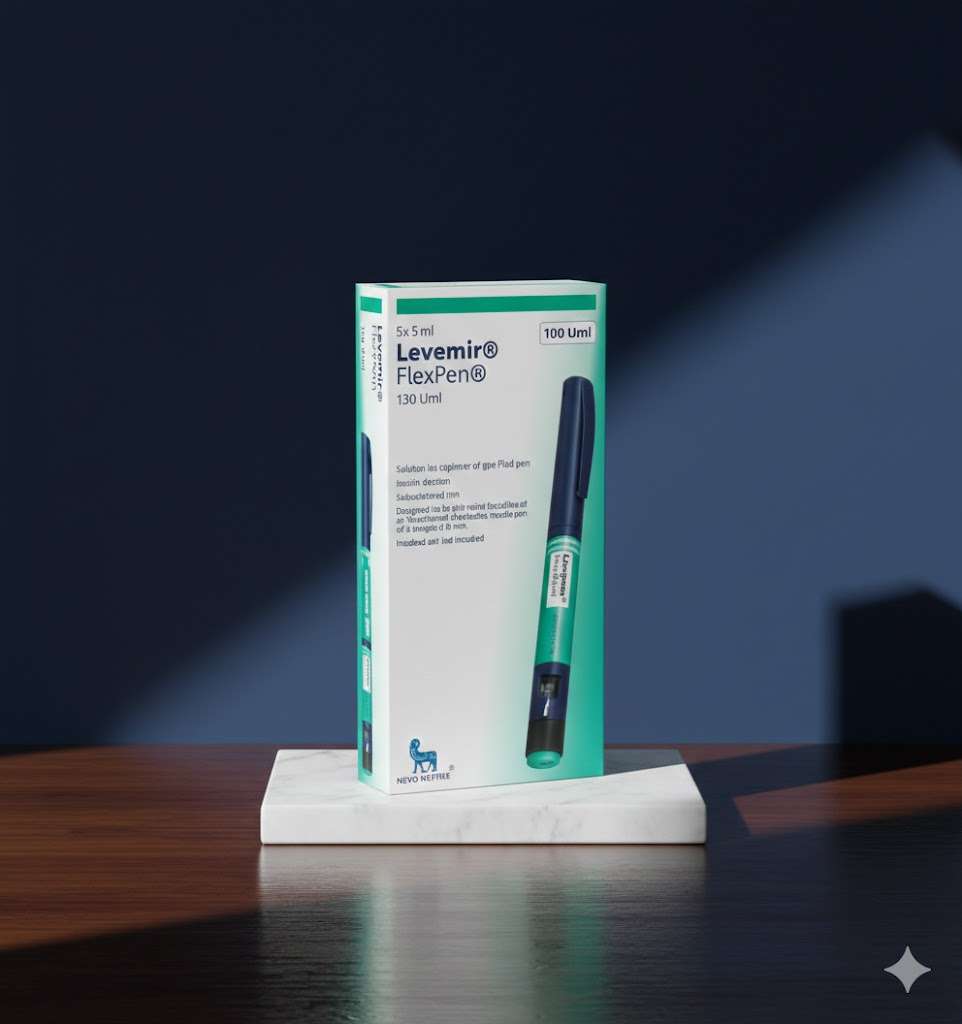
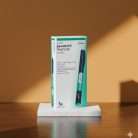
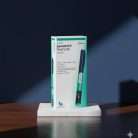
Levemir / other basal insulins (class totals high)
They are a cornerstone of insulin therapy for patients with type 1 diabetes (in combination with rapid-acting insulins for meals) and for many patients with type 2 diabetes requiring insulin therapy.
- Estimated Delivery : Up to 4 business days
- Free Shipping & Returns : On all orders over $200
Basal insulins are long-acting insulin analogues used to help manage blood glucose levels over an extended period (typically ~24 hours). They are a cornerstone of insulin therapy for patients with type 1 diabetes (in combination with rapid-acting insulins for meals) and for many patients with type 2 diabetes requiring insulin therapy.
Active Ingredient (Example — Levemir):
-
Insulin Detemir (100 U/mL) — a soluble insulin analogue designed to be slowly released into the bloodstream after subcutaneous injection to mimic natural basal insulin secretion.
Mechanism of Action:
Basal insulin analogues bind to insulin receptors and facilitate cellular uptake of glucose while suppressing hepatic glucose production, contributing to stable baseline glycemic control throughout the day and overnight.
Indications:
-
Type 1 Diabetes Mellitus: used as part of a basal-bolus regimen to maintain baseline insulin.
-
Type 2 Diabetes Mellitus: when oral therapies and/or other injectables are insufficient to achieve glycemic targets.
Typical Administration:
-
Route: Subcutaneous injection
-
Dosing: Individualized by a healthcare provider; may be administered once per day (for many basal insulins) or twice per day for some detemir regimens depending on glycemic response and clinical guidance.
Benefits:
-
Helps maintain baseline glucose control between meals and overnight
-
Reduces risk of wide glucose fluctuations
-
Can be combined with rapid-acting insulins for optimal daily glucose coverage
Safety & Precautions:
-
Hypoglycemia Risk: The most serious risk; monitor blood glucose regularly and adjust dose as needed.
-
Weight Changes: Some patients may experience changes in weight as glycemic control improves.
-
Injection Site Reactions: Possible erythema or irritation.
-
Prescription Only: Insulins require a valid clinician prescription and personalized dose titration.
Common Side Effects:
-
Hypoglycemia (low blood glucose)
-
Injection site redness or itching
-
Edema (fluid retention), particularly with initiation or dose changes
Storage:
-
Store unopened insulin in the refrigerator (2°C–8°C).
-
After first use, many pen or vial products may be kept at room temperature per manufacturer instructions, typically up to 28 days.
Be the first to review “Levemir / other basal insulins (class totals high)”
Related products
-
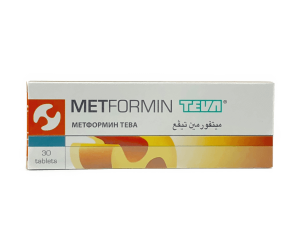
Metformin (Glucophage) 100mg 100 tab
Original price was: $60.$57Current price is: $57. -
Ozempic (Semaglutide) 0.25mg & 0.5mg Pre-filled Pen 3mL – Type 2 Diabetes Treatment
Original price was: $399.$379.05Current price is: $379.05. -
Ozempic 1mg/0.75mL Prefilled Pen – Type 2 Diabetes Treatment
Original price was: $399.$379.05Current price is: $379.05. -
Original price was: $2,276.83.$2,162.98Current price is: $2,162.98.
-
Original price was: $1,495.$1,420.25Current price is: $1,420.25.



Reviews
There are no reviews yet.