

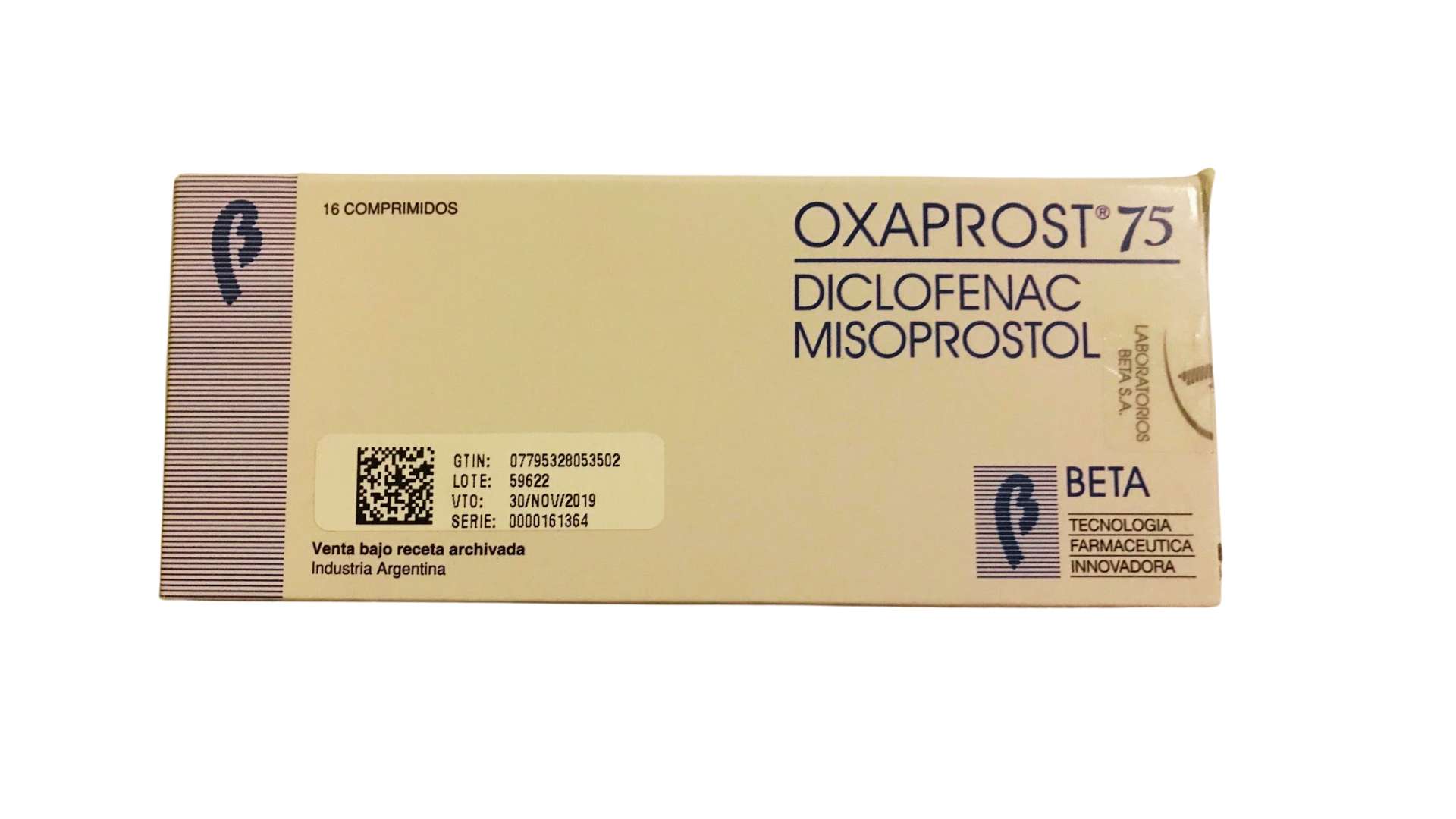
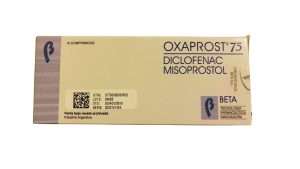
Oxaprost (naproxen + misoprostol, regional combination)
Oxaprost (Naproxen + Misoprostol)
Oxaprost is a combination medication that brings together naproxen, a nonsteroidal anti-inflammatory drug (NSAID), and misoprostol, a stomach-protective agent. Doctors often prescribe it for people who need long-term pain relief but also face a higher risk of stomach ulcers from NSAID use.
Because it addresses both pain and gastric protection, Oxaprost offers a balanced option for certain patients under medical supervision.
- Estimated Delivery : Up to 4 business days
- Free Shipping & Returns : On all orders over $200
Overview: Oxaprost (Naproxen + Misoprostol)
Oxaprost is a combination medication that brings together naproxen, a nonsteroidal anti-inflammatory drug (NSAID), and misoprostol, a stomach-protective agent. Doctors often prescribe it for people who need long-term pain relief but also face a higher risk of stomach ulcers from NSAID use.
Because it addresses both pain and gastric protection, Oxaprost offers a balanced option for certain patients under medical supervision.
What Is Oxaprost Used For?
Oxaprost is mainly used to manage chronic inflammatory conditions, such as osteoarthritis or rheumatoid arthritis. In these cases, naproxen helps reduce pain, swelling, and stiffness. At the same time, misoprostol works to protect the stomach lining.
As a result, Oxaprost may be especially useful for patients who require ongoing NSAID therapy and have a history of gastric irritation or ulcers.
How Oxaprost Works
Oxaprost works through a dual mechanism:
-
Naproxen reduces inflammation by blocking enzymes that cause pain and swelling.
-
Misoprostol, on the other hand, helps replace protective prostaglandins in the stomach.
Therefore, while naproxen delivers effective pain relief, misoprostol lowers the risk of stomach damage that NSAIDs can cause over time.
Dosage Form and Strengths
Oxaprost is typically supplied as an oral tablet containing a fixed dose of naproxen and misoprostol. Because dosing depends on the patient’s condition and tolerance, healthcare providers tailor treatment to individual needs.
For this reason, patients should never change their dose without professional advice.
Possible Side Effects
Common Side Effects
Some people may experience:
-
Nausea or stomach discomfort
-
Diarrhea
-
Headache
-
Dizziness
-
Abdominal cramping
Usually, these effects are mild and improve as the body adjusts. However, patients should inform their provider if symptoms persist.
Serious Side Effects
Although less common, serious side effects can occur. These may include severe stomach pain, gastrointestinal bleeding, allergic reactions, or changes in blood pressure. If any unusual or severe symptoms appear, medical attention is essential.
Warnings and Precautions
Oxaprost is not suitable for everyone. In particular, misoprostol can cause uterine contractions, so pregnant individuals must not use this medication.
Additionally, patients with kidney disease, heart conditions, bleeding disorders, or a history of ulcers should discuss risks carefully with their healthcare provider before starting treatment.
Drug and Food Interactions
Oxaprost may interact with blood thinners, corticosteroids, other NSAIDs, and certain blood pressure medications. Moreover, alcohol can increase the risk of stomach bleeding when combined with naproxen.
Because of this, patients should always share a complete medication list with their healthcare provider.
Final Notes
Oxaprost combines effective pain relief with added stomach protection, making it a practical option for some patients who need long-term anti-inflammatory treatment. Still, careful monitoring and medical guidance remain essential for safe use.
Related products
- Original price was: $595.99.$498.50Current price is: $498.50.
-
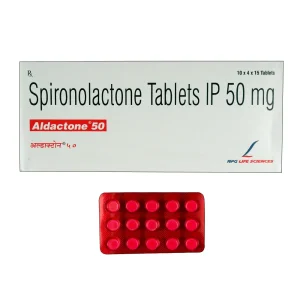
Aldactone (Spironolactone) 50mg 30 Tablets
Original price was: $29.50.$28.03Current price is: $28.03. - Original price was: $135.$125Current price is: $125.
-
Fillerina Neck and Cleavage Treatment – Grade 4.
Original price was: $47.$46.06Current price is: $46.06. -
Saxenda (liraglutide) 6mg/mL – 5 Pens
Original price was: $665.$631.75Current price is: $631.75.





Reviews
There are no reviews yet.