
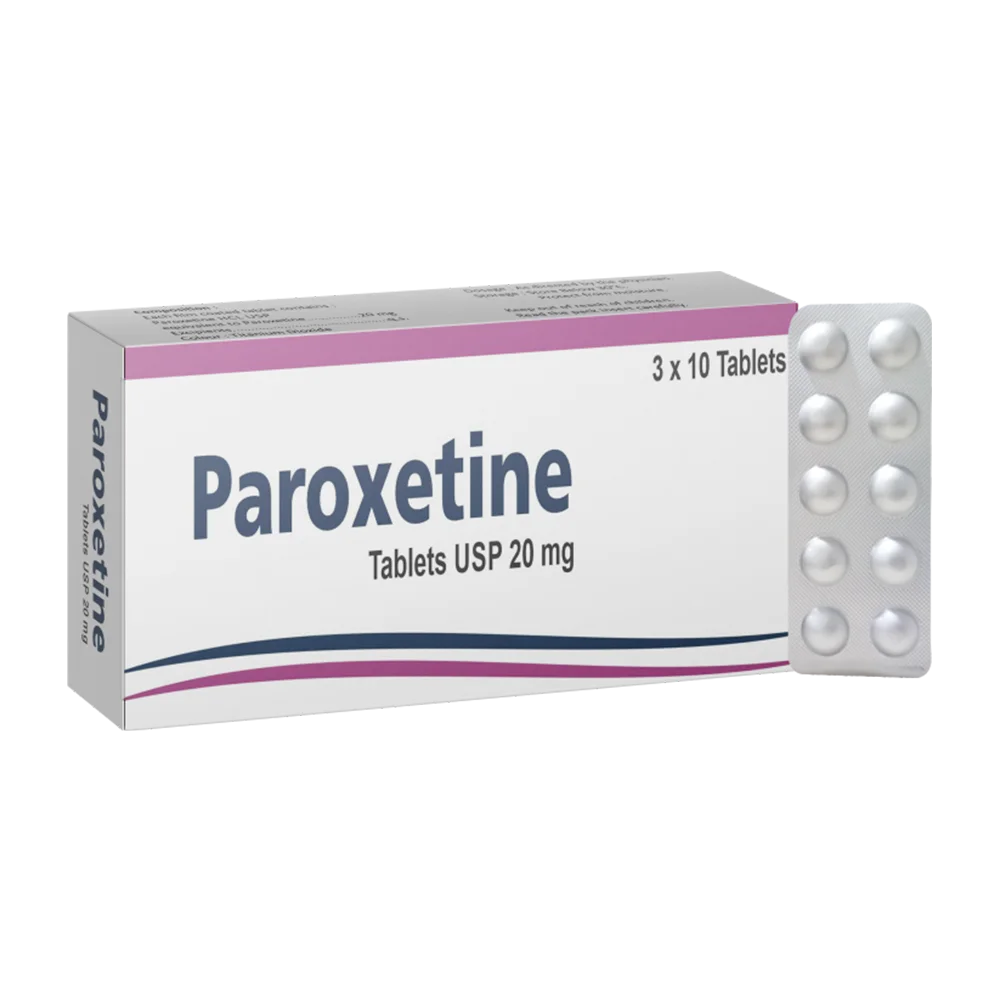
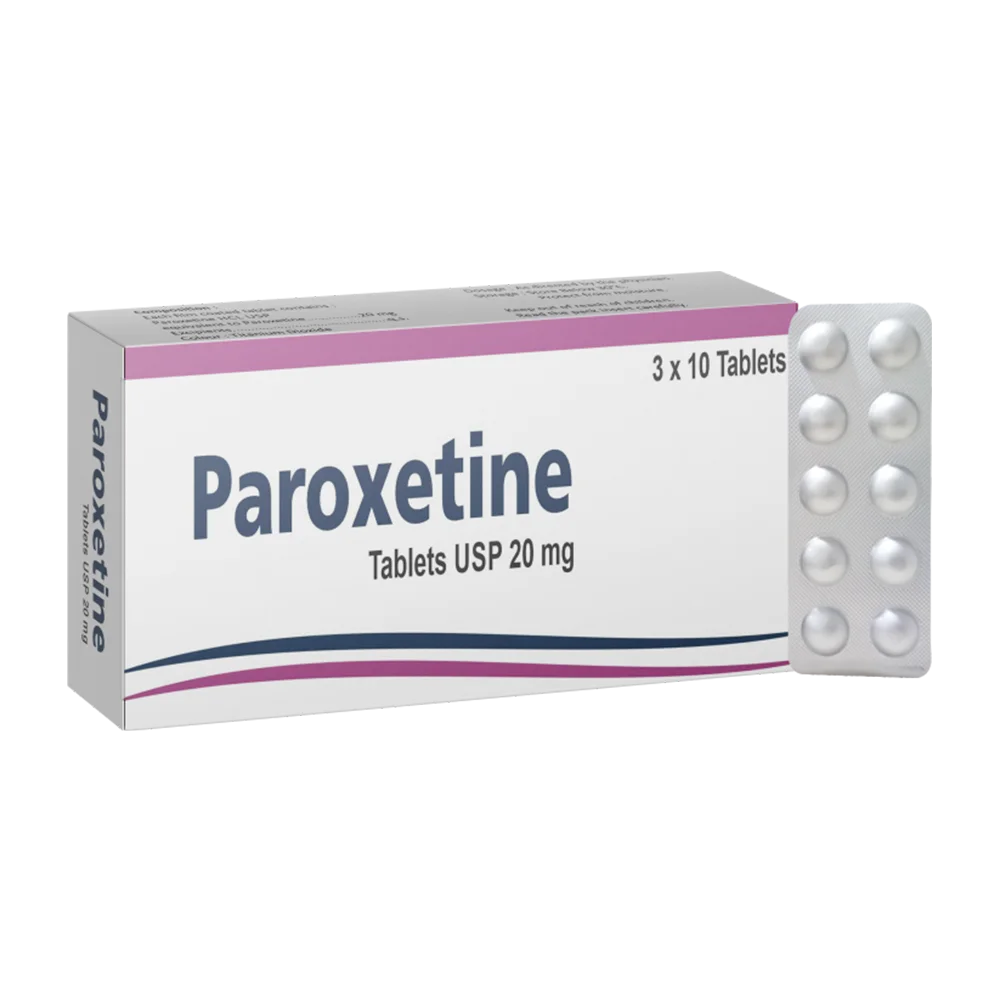
Paroxetine Tablets USP 20 mg: A Successful Treatment for Anxiety and Depression
Paroxetine Tablets USP 20 mg is a common prescription drug for treating anxiety, depression, and other mental health conditions is paroxetine tablets USP 20 mg. It is a member of the class of drugs known as selective serotonin reuptake inhibitors (SSRIs), which serve to elevate mood and emotional stability by raising serotonin levels in the brain.
Formulation and Composition
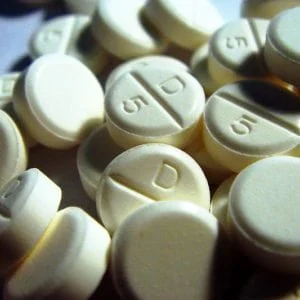
The active ingredient in each Paroxetine tablet is 20 mg of paroxetine hydrochloride. The round, white, film-coated tablets are scored to make splitting them simple, although splitting should only be done under a doctor’s supervision.
Guide to Safe Use
Major depressive disorder (MDD), generalised anxiety disorder (GAD), social anxiety disorder, panic disorder, obsessive-compulsive disorder (OCD), and post-traumatic stress disorder (PTSD) are among the conditions for which paroxetine is frequently recommended. To lessen the chance of sleeplessness, the standard starting dose is 20 mg once daily, usually taken in the morning. Depending on tolerance and individual response, the dosage may be changed. It is not advised to stop taking paroxetine suddenly because this may result in withdrawal symptoms. Before discontinuing their medicine, patients should speak with their healthcare professional.
Management
To ensure steady drug levels in the body, paroxetine tablets should be taken orally at the same time every day, with or without food. Unless instructed otherwise by a healthcare provider, the pill should be consumed whole rather than broken, chewed, or crushed.
Action Mechanism
By specifically preventing its reuptake, paroxetine raises serotonin levels in the brain. An elevated level of serotonin, a neurotransmitter essential for mood control, reduces the symptoms of anxiety and sadness.
Potential Responses and Safety Measures
Nausea, exhaustion, lightheadedness, dry mouth, perspiration, decreased appetite, and sexual side effects like lower libido or trouble getting an orgasm are typical side effects. Usually minor, these side effects become better with time.
Suicidal thoughts, especially in young adults under 25, major mood swings, serotonin syndrome (which manifests as fever, restlessness, hallucinations, or a fast heartbeat), and an elevated risk of bleeding are serious adverse effects. Patients should get medical help right away if they are having severe symptoms.
Patients with epilepsy, liver or kidney problems, allergies, or a history of bipolar disorder should disclose these conditions to their doctor prior to starting Paroxetine. It may increase the risk of side effects when taken with drugs such as blood thinners, MAO inhibitors, and other SSRIs. Because alcohol can exacerbate dizziness and impair alertness, it should be avoided during therapy.
Caution
During the early phases of treatment, paroxetine may raise the risk of suicidal ideation, particularly in young individuals under 25. During this time, a healthcare provider’s close supervision is essential.
Keeping
Keep paroxetine out of the light and moisture and at room temperature. To prevent unintentional consumption, make sure it is stored out of children’s and dogs’ reach.
In conclusion
An efficient drug for treating anxiety, depression, and associated disorders is paroxetine tablets USP 20 mg. To get the greatest results, follow your doctor’s instructions and keep an eye on any changes in your symptoms. Seeing a doctor on a regular basis guarantees that the drug stays safe and effective.
Furthermore, You may read more about the medication here.
Be the first to review “Paroxetine Tablets USP 20 mg”
Related products
- Original price was: $9.95.$9.45Current price is: $9.45.

Dexedrine Spansule (ER dextroamphetamine)
Original price was: $3.$1.99Current price is: $1.99.


Reviews
There are no reviews yet.