
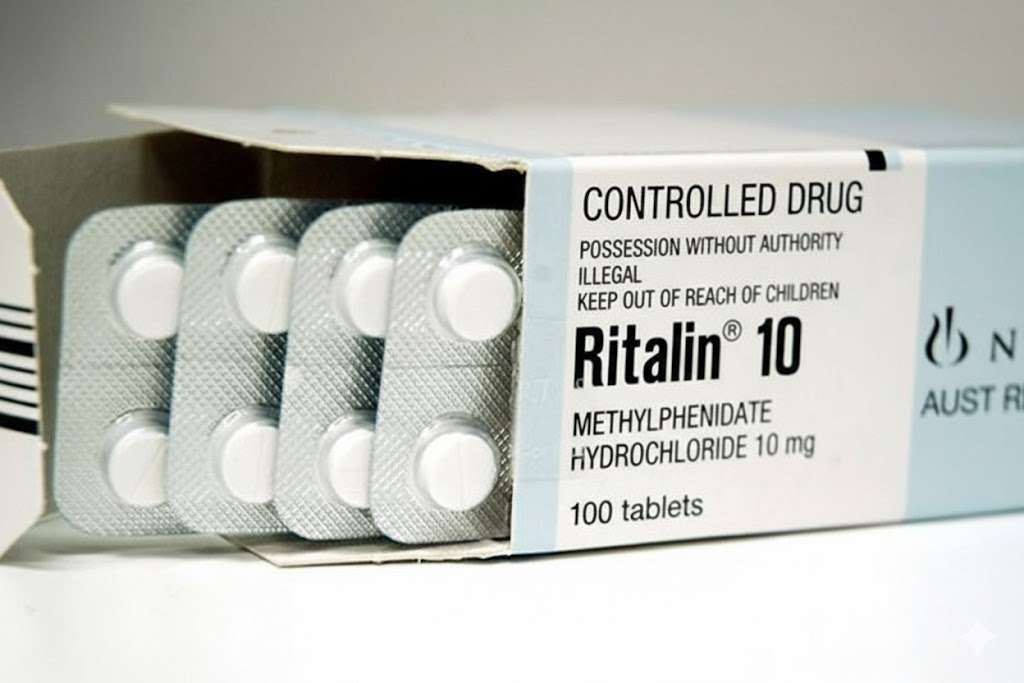
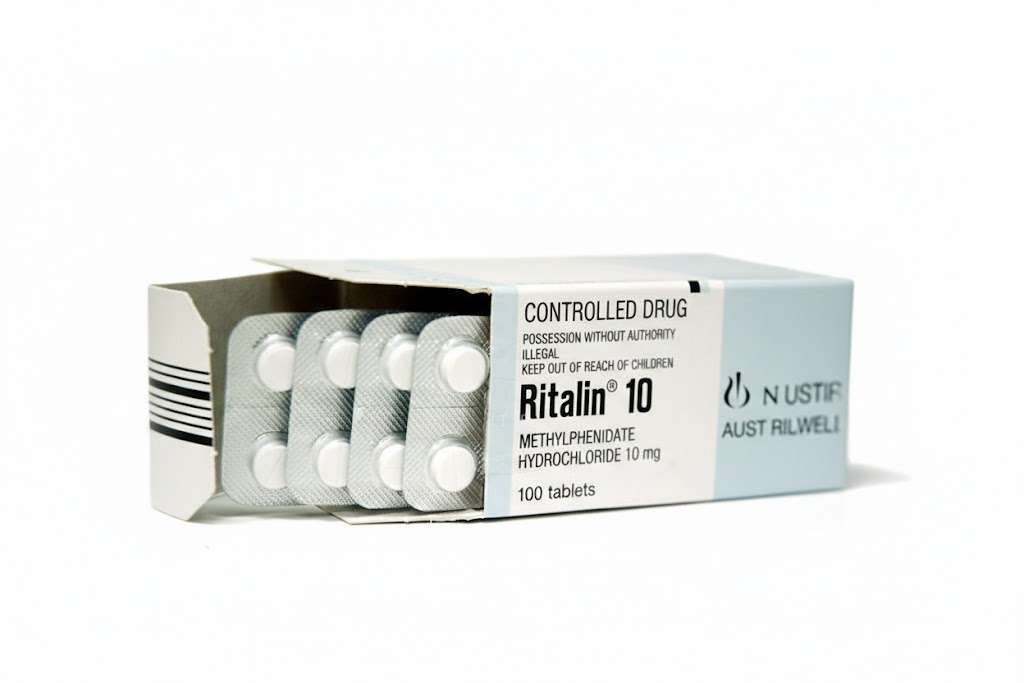
Ritalin Dosage (methylphenidate) ADHD Medication Shortage
Ritalin is a prescription stimulant medication containing methylphenidate hydrochloride, indicated for the treatment of Attention Deficit Hyperactivity Disorder (ADHD) in adults and children (typically aged 6 years and older). It may also be prescribed for narcolepsy in select cases. Ritalin works by enhancing activity of neurotransmitters in the brain that regulate attention, impulse control, and executive function
- Estimated Delivery : Up to 4 business days
- Free Shipping & Returns : On all orders over $200
Ritalin is a prescription stimulant medication containing methylphenidate hydrochloride, indicated for the treatment of Attention Deficit Hyperactivity Disorder (ADHD) in adults and children (typically aged 6 years and older). It may also be prescribed for narcolepsy in select cases. Ritalin works by enhancing activity of neurotransmitters in the brain that regulate attention, impulse control, and executive function.
Mechanism of Action:
Methylphenidate is a central nervous system (CNS) stimulant that increases dopamine and norepinephrine activity in specific brain regions to improve attention span, reduce impulsivity, and decrease hyperactivity. It is typically administered orally in emerging clinical practice.
Indications & Uses:
ADHD (Attention Deficit Hyperactivity Disorder): To help improve attention and reduce impulsive and hyperactive behaviour.
Narcolepsy: To manage excessive daytime sleepiness where clinically appropriate.
Dosage & Administration:
Adult/Paediatric Dosing:
• Typical starting dose: 5 mg once or twice daily (for children aged ≥6), with gradual weekly titration per clinical response.
• Titration: Dose may be increased in 5–10 mg increments as tolerated, up to a maximum of 60 mg per day in divided doses.
Treatment should be individualized and directed by a qualified healthcare provider.
Important: Prescription Only:
Ritalin is a controlled medication requiring a valid prescription and ongoing clinical supervision due to its stimulant effects and potential for misuse.
ADHD Medication Shortage Context (2025–2026)
Current Supply Situation:
Multiple health authorities, including Australia’s Therapeutic Goods Administration (TGA), have issued active shortage alerts for methylphenidate products due to global manufacturing delays and supply chain disruptions. These shortages have affected both immediate-release Ritalin tablets and various long-acting methylphenidate formulations (e.g., Ritalin LA capsules).
Key Shortage Details:
Ritalin and Ritalin LA products have been intermittently or continuously in shortage across several strengths and release forms into early 2026, depending on region and formulation.
Long-acting Ritalin LA capsules (20 mg, 40 mg, 60 mg) continue to face supply constraints in some markets through March 2026 or beyond.
These supply issues are impacting clinical continuity of ADHD treatment and necessitate early conversations between patients and prescribers.
Clinical & Patient Guidance:
Healthcare providers and pharmacists globally have been advising patients to plan early for prescription refills and consider licensed alternative ADHD medications where appropriate under medical guidance.
Benefits & Considerations
Clinical Benefits:
Improved Focus & Attention: Shown to increase sustained attention and task persistence in ADHD patients.
Reduced Impulsivity: Helps lessen hyperactive and impulsive behaviours that interfere with daily functioning.
Flexible Dosing: Immediate-release formulations like Ritalin allow tailored dose adjustments throughout the day.
Safety & Precautions:
Common Adverse Effects: Nervousness, insomnia, loss of appetite, nausea, headache, and dizziness.
Serious Risks: Cardiovascular effects (e.g., increased blood pressure, heart rate), psychiatric side effects (e.g., mood changes), and potential for misuse/abuse.
Contraindications: Severe anxiety, glaucoma, marked agitation, or known hypersensitivity to methylphenidate.
Monitoring:
Patients should be assessed regularly for treatment effectiveness, side effects, and cardiovascular status while on stimulant therapy.
Be the first to review “Ritalin Dosage (methylphenidate) ADHD Medication Shortage”
Related products
- Original price was: $12.90.$9.99Current price is: $9.99.


Concerta 35mg/36mg – ADHD Treatment
Original price was: $13.35.$13.08Current price is: $13.08.
 $388.08




Reviews
There are no reviews yet.