
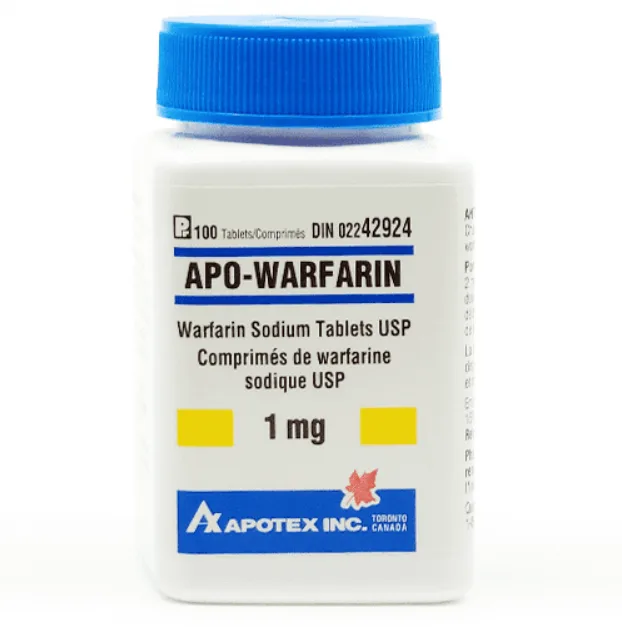
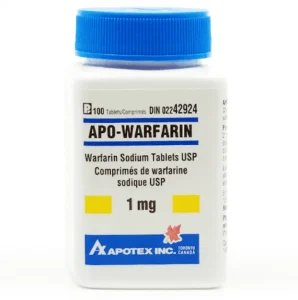
Warfarin Tablets for Atrial Fibrillation 100 Tablets – 1mg, 2mg, 2.5mg, 3mg, 4mg, 5mg ,10mg
- Estimated Delivery : Up to 4 business days
- Free Shipping & Returns : On all orders over $200
Warfarin Tablets for Atrial Fibrillation 100 Tablets – 1mg, 2mg, 2.5mg, 3mg, 4mg, 5mg ,10mg
What Warfarin Is and How It Works
Warfarin® is a vitamin K antagonist that lowers the blood’s tendency to clot. As a warfarin medication, it decreases production of clotting factors made by the liver. The effect is monitored with INR blood tests and adjusted by your prescriber to keep you in a safe range.
It starts working over several days as existing clotting factors wear off. The treatment is often continued for months or long term, depending on your diagnosis and risk factors. Food and other medicines can change its effect, so steady habits and regular monitoring matter.
Who It’s For
This therapy is prescribed to lower stroke risk in nonvalvular atrial fibrillation and after some heart valve surgeries. It is also used to treat and prevent deep vein thrombosis and pulmonary embolism. Explore related guidance for Atrial Fibrillation and for patients with a Mechanical Heart Valve.
People with active bleeding, significant bleeding risks, or known allergies to ingredients should avoid it. Those who are pregnant or planning pregnancy should discuss safer alternatives. Severe liver disease, poor adherence to blood tests, and heavy alcohol use can raise risks and may require a different plan.
Dosage and Usage
The dose is individualized. Most adults take it once daily at the same time. Your prescriber selects a starting dose and adjusts based on INR checks. Many patients aim for a target INR range guided by diagnosis; follow your clinician’s instructions and the official label.
Try to keep your dietary vitamin K intake consistent from week to week. Sudden changes in leafy greens, certain supplements, or alcohol can shift your INR. Tell your healthcare professional about new medicines, missed doses, or any bleeding.
Strengths and Forms
This medicine comes as scored oral tablets. Availability may vary by manufacturer. Many people recognize color-coded strengths. A common strength used for dose adjustments is warfarin 5 mg, but your prescriber may select a different strength based on your INR.
- 1 mg
- 2 mg
- 2.5 mg
- 3 mg
- 4 mg
- 5 mg
- 10 mg
It may dispense different manufacturers over time; shape or color can change, but the active ingredient remains the same.
Missed Dose and Timing
If you miss a dose, take it the same day when remembered. If it is the next day, skip the missed dose and resume your usual schedule. Do not double the next dose. Note the date in your log and tell your prescriber at your next INR check, as guidance can vary.
Storage and Travel Basics
Store tablets at room temperature, dry, and away from direct light. Keep them in the original, child-resistant container. Do not store in a bathroom. When you travel, pack your labeled bottle in carry-on luggage and bring a medication list or a copy of your prescription. Time-zone changes usually do not require a dose change; keep a consistent local dosing time.
Benefits
This anticoagulant is well-studied and can be adjusted to your INR results. The therapy is reversible with vitamin K in emergency settings. Once-daily dosing fits many routines. Generic availability may lower out-of-pocket costs compared with some newer options.
- Side Effects and Safety
- Mild bleeding gums
- Easy bruising
- Nosebleeds
- Upset stomach or nausea
- Hair thinning
Serious effects can include major bleeding, coughing or vomiting blood, black or tarry stools, severe headache, or signs of stroke. Rare reactions include skin necrosis or purple toe syndrome. Seek urgent care if you notice serious symptoms. Learn more in our guide to Warfarin Side Effects.
Drug Interactions and Cautions
Many medicines can raise or lower this anticoagulant’s effect. Examples include antibiotics, antifungals, amiodarone, antiepileptics, and some cholesterol agents. NSAIDs, aspirin, and other blood thinners can increase bleeding risk. Herbal products like St. John’s wort, ginkgo, and ginseng may interact. Keep a consistent intake of vitamin K–rich foods. See practical diet tips in Foods To Avoid.
Always tell your prescriber and pharmacist about all prescription drugs, OTC products, and supplements. Alcohol can change your INR and increase bleeding risk; ask your clinician about safe limits.
What to Expect Over Time
You will usually have INR checks more often at the start, then less frequently once stable. Dose changes may be needed if your diet, other medicines, or health status changes. Keep a simple log of doses, tests, and any symptoms. Carry an anticoagulant alert card so others know you take this therapy.
| Dosage | 10mg, 1mg, 2.5mg, 2mg, 3mg, 4mg, 5mg |
|---|
Be the first to review “Warfarin Tablets for Atrial Fibrillation 100 Tablets – 1mg, 2mg, 2.5mg, 3mg, 4mg, 5mg ,10mg”
Related products
Estradot Sandoz 25 mcg 8 Patches
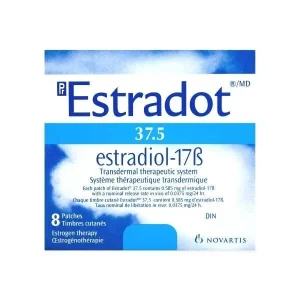
Original price was: $50.$47.50Current price is: $47.50.Estradot Sandoz 37.5 mcg 8 Patches
Original price was: $52.$49.40Current price is: $49.40.Apixaban 5mg – Blood Thinner for Stroke Prevention and Clot Treatment
Original price was: $65.$61.75Current price is: $61.75.Minocycline 100mg – Antibiotic for Acne, Infections, and More
Original price was: $15.$14.25Current price is: $14.25.Aldactone 100mg (Spironolactone) – 30 Tablets
Original price was: $33.$31.35Current price is: $31.35.


Reviews
There are no reviews yet.