

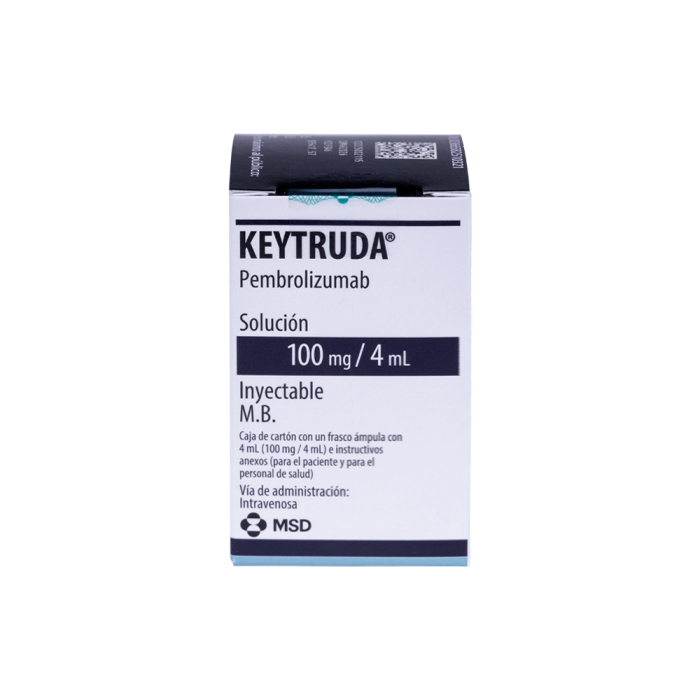
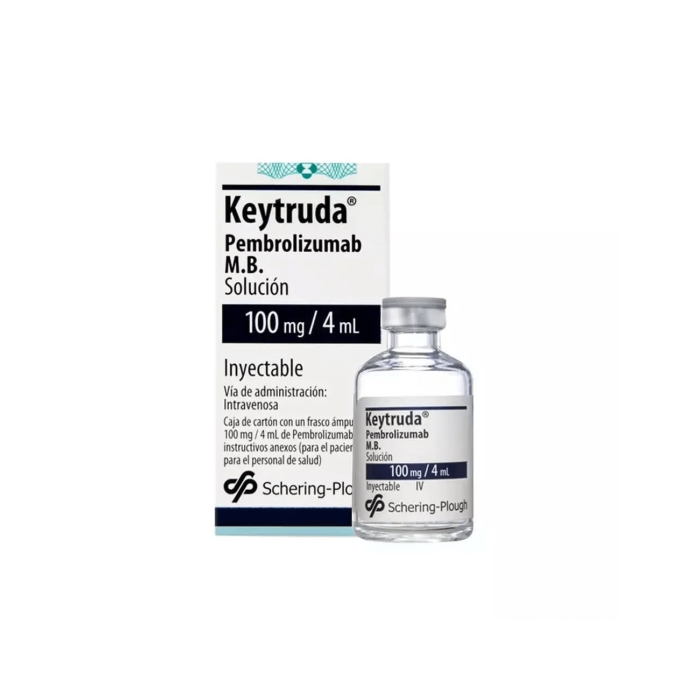
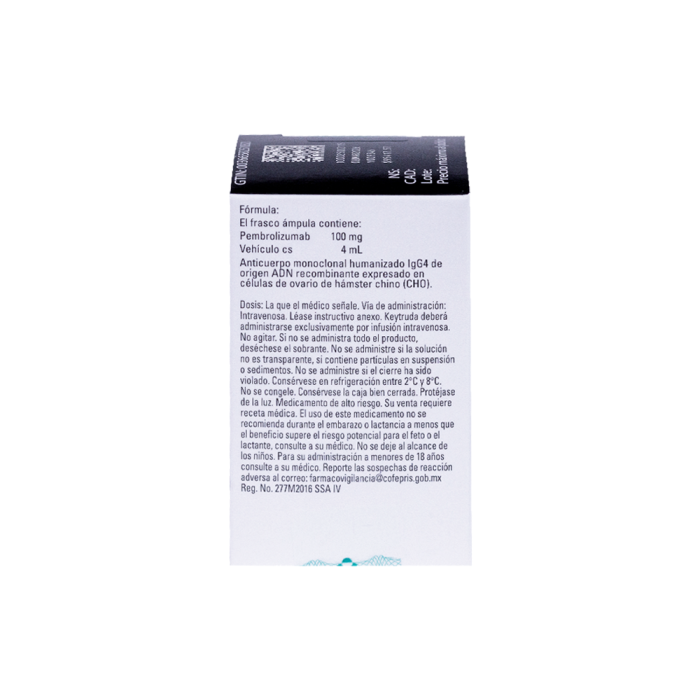
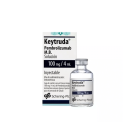
Keytruda
Keytruda is a prescription immunotherapy (PD-1 inhibitor) for cancers like melanoma, lung, and bladder cancer. Administered via IV by a doctor, it boosts the immune system to fight tumors. Common side effects include fatigue, rash, and diarrhea. Serious immune-related effects can occur; close medical monitoring is required.
- Estimated Delivery : Up to 4 business days
- Free Shipping & Returns : On all orders over $200
Product Information:
Keytruda is a prescription medication used to treat certain types of cancer. It is an immunotherapy drug called a PD-1 inhibitor. It works by helping your immune system recognize and attack cancer cells.
Common cancers treated with Keytruda:
-
Melanoma (skin cancer)
-
Non-small cell lung cancer (NSCLC)
-
Head and neck squamous cell carcinoma
-
Classical Hodgkin lymphoma
-
Urothelial carcinoma (bladder cancer)
-
Certain cancers with high microsatellite instability (MSI-H) or mismatch repair deficiency (dMMR)
How to Use Keytruda:
-
Form: Intravenous (IV) infusion
-
Administration: Given by a healthcare professional, usually in a clinic or hospital.
-
Schedule: Typically every 3 to 6 weeks, depending on the cancer type and your doctor’s instructions.
-
Duration: Treatment may continue until disease progression, unacceptable side effects, or as recommended by your doctor.
Warnings:
Keytruda can cause your immune system to attack normal organs, leading to serious and sometimes fatal side effects. These may affect the:
-
Lungs (pneumonitis)
-
Colon (colitis)
-
Liver (hepatitis)
-
Endocrine glands (thyroid, pituitary, adrenal)
-
Kidneys (nephritis)
-
Skin
Other warnings:
-
Infections: May weaken your immune system or mask infections.
-
Pregnancy: Not recommended; may harm the unborn baby.
-
Live vaccines: Should generally be avoided during treatment.
-
Allergic reactions: Rare but serious infusion reactions can occur.
Side Effects:
-
Fatigue
-
Rash or itching
-
Diarrhea
-
Nausea
-
Decreased appetite
-
Joint or muscle pain
-
Cough or shortness of breath
Serious side effects (require immediate medical attention):
-
Severe diarrhea or blood in stool
-
Yellowing of skin or eyes (jaundice)
-
Severe cough or trouble breathing
-
Swelling of face, lips, or throat
-
Persistent vomiting or abdominal pain
Monitoring:
Doctors will usually monitor:
-
Liver and kidney function
-
Thyroid and hormone levels
-
Signs of immune-related inflammation
-
Complete blood counts
Related products
-

 $4,814
 -


-

 $5,034
 -

 $910
$910 -
Methotrex (Methotrexate) Injection 50mg/2mL – Cancer, Arthritis, Psoriasis Treatment
Original price was: $22.$20.90Current price is: $20.90.


Reviews
There are no reviews yet.